
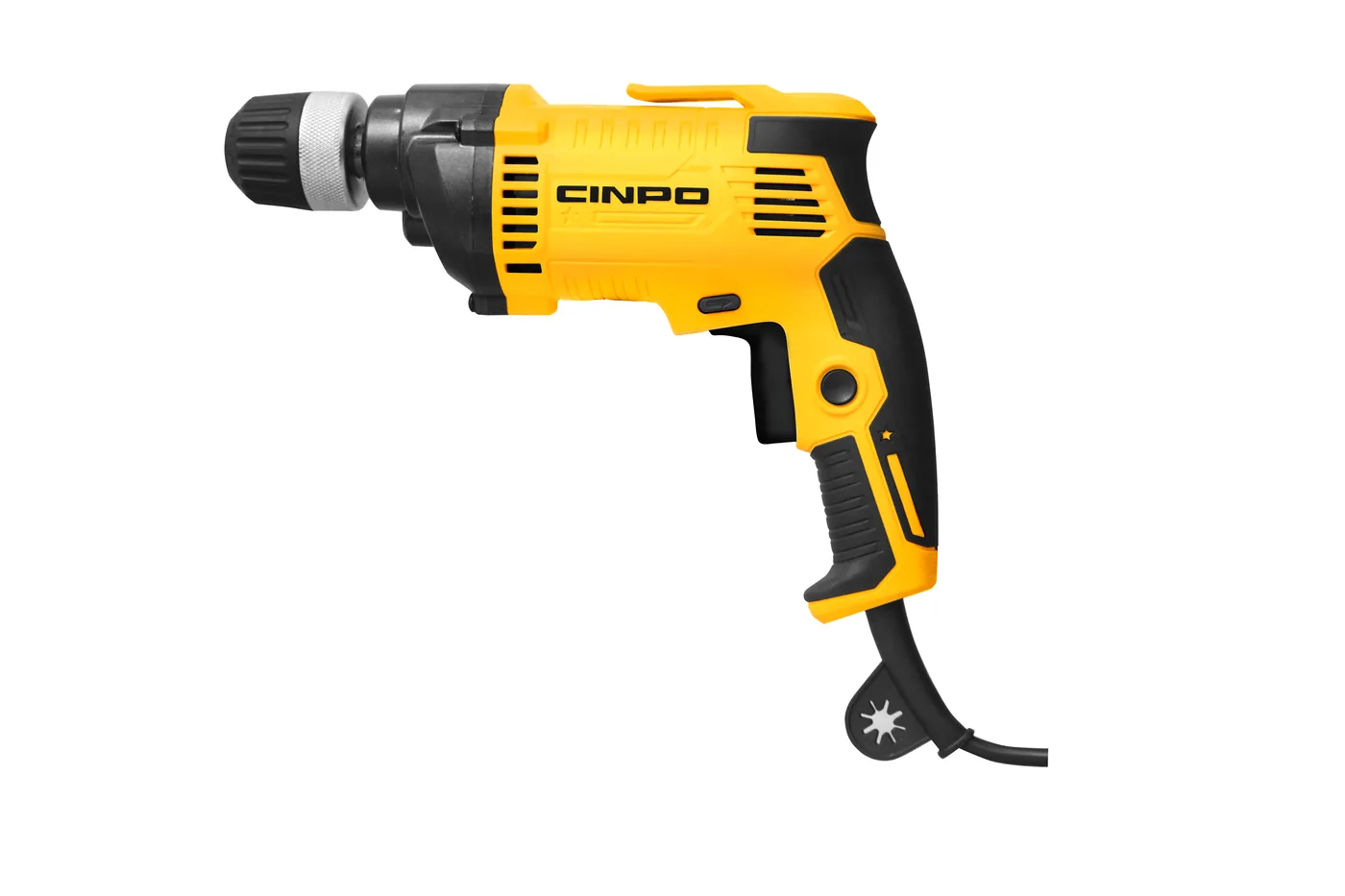
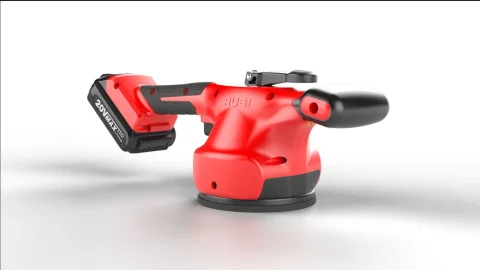
CINPO 62059 Drill
$20.99
Field symptoms and where they come from
Most complaints about this class of drill arrive as symptoms that point somewhere cheaper than a repair. Confirm the chuck accepts the shank sizes you actually use before the first job; an adapter bought later costs more than choosing the right body now.
Half of site faults on a drill are assembly and dirt; the other half are wear that announced itself early and was booked into a busy week instead. None of this is clever, and a drill that is treated this way repays it in years, not weeks. The drill keeps no score by itself, but the bench log keeps it for the crews that bother. Habits like these cost minutes and save mornings, which is the best exchange rate a drill will ever offer.
The catalogue facts
Catalogue entry as listed: CINPO 62059 Drill (reference S0070010045). The record places it in Electric Power Tools, and carries a listed price of $20.99. No size line appears in the record, so the text invents none.
Choosing between the alternatives
Between the drill options a buyer actually has, the axes that decide are load, reach and the cost of feeding it. The accessory set makes it a first purchase for a new bench, where buying the body and the bits separately leaves gaps nobody notices until the job.
A sensible drill comparison weighs the tool against the diary rather than the brochure; the best spec on paper loses to the right size on the belt. Small disciplines, applied on every shift, are what keep the drill off the scrap bench for good.
Buying, stocking and shelf policy
Stocking a drill well means admitting what fails often, and stocking a drill badly means guessing; the failure log settles which one happened. A drill on the shelf is a decision made calmly; a drill ordered in a hurry is the same decision with a surcharge attached. The drill shelf policy that works is written down, dated and boring; heroics belong on the job, not in the store room. Count the accessories at issue and return; sets lose their small pieces first, and the set becomes a drawer of oddments within a month.
Buy drill capacity against the work actually scheduled rather than the work imagined; stock that turns is an asset, and stock that waits is a price tag. The drill is judged by how it behaves in its third year, and nothing done in its first week is neutral toward that.
The misuses that shorten its life
Failure reports for a drill repeat themselves across sites with remarkable discipline. Most reported drill faults on a set are actually a missing or wrong bit, and the tool is blamed because it is the part with a plug on it. None of this is clever, and a drill that is treated this way repays it in years, not weeks. The drill keeps no score by itself, but the bench log keeps it for the crews that bother. Habits like these cost minutes and save mornings, which is the best exchange rate a drill will ever offer.
Repair, replace or retire
The fix-or-retire call on a drill is easier when the failure mode, not the mood, makes the decision. Keep the set complete rather than servicing the body alone; a drill with a full set gets used, and a drill with three bits gets replaced.
The drill decision arithmetic is honest and dull: parts, hours and the risk of a second failure, weighed against the replacement price and the wait. Keep the drill routine boring and the tool stays boring too, which is the whole ambition here.
How this page was written
Brand, reference, category and the price line for this drill all come from the catalogue record; the craft notes are ordinary trade practice any operator can check. Keep the drill accountable to a routine and it stops being a variable in the day, which is all a workshop really wants from a tool.
Anything the record does not state about this drill, the page does not invent; a written specification can be requested from the desk. Small disciplines, applied on every shift, are what keep the drill off the scrap bench for good.
| Model | 62059 |
|---|---|
| Type | Drills |
Related products
Reviews
There are no reviews yet.