
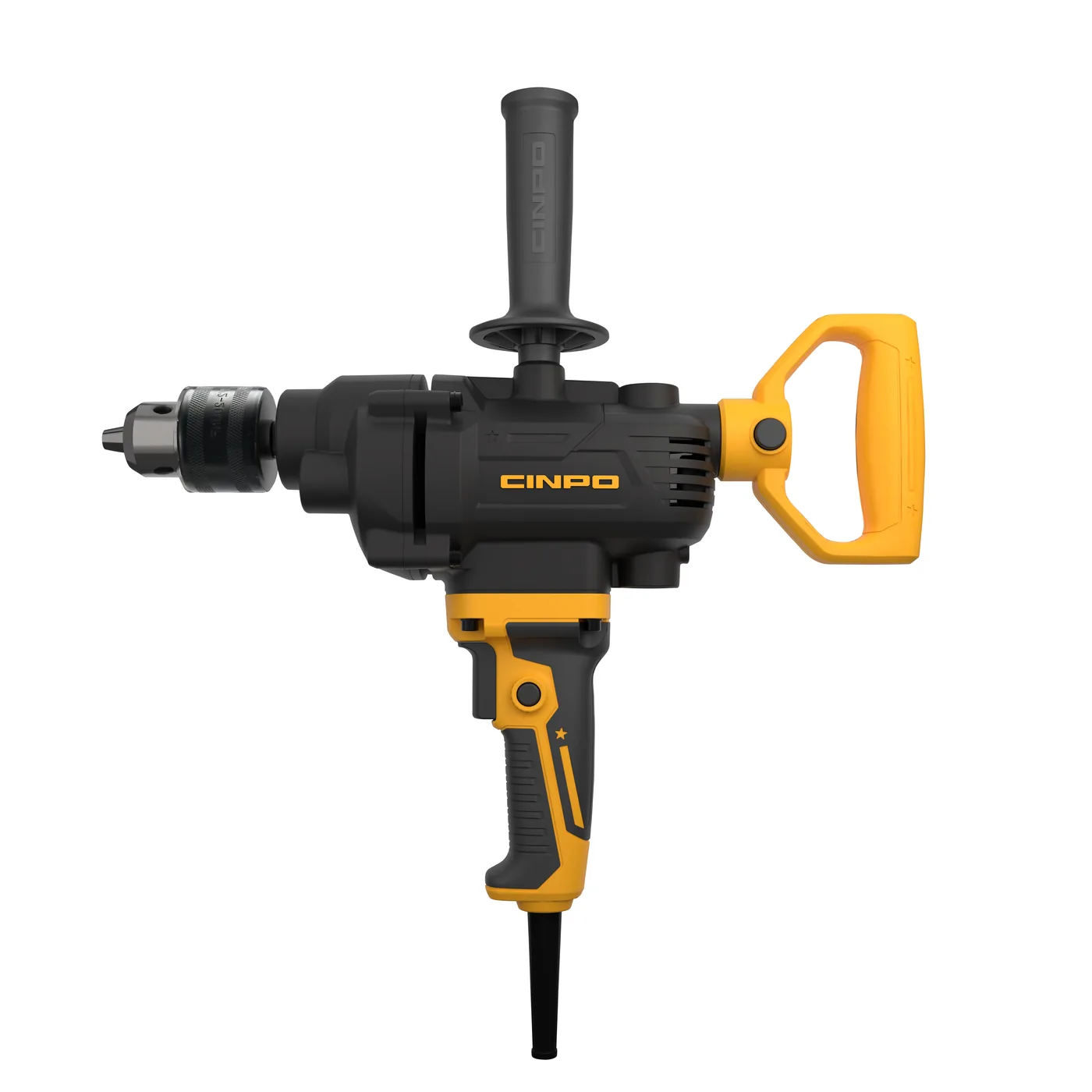
CINPO 6056 Drill
$29.99
Field symptoms and where they come from
Symptoms first and teardown last is the sequence that keeps a drill out of the parts bin and its paperwork intact. A drill that overheats on long runs is working beyond its duty; slow the feed and let the motor breathe between holes.
Half of site faults on a drill are assembly and dirt; the other half are wear that announced itself early and was booked into a busy week instead. None of this is clever, and a drill that is treated this way repays it in years, not weeks. The drill keeps no score by itself, but the bench log keeps it for the crews that bother. Habits like these cost minutes and save mornings, which is the best exchange rate a drill will ever offer.
The entry on the books
Catalogue entry as listed: CINPO 6056 Drill (reference S0070010046). The listing files under Electric Power Tools, and prices the listing at $29.99. No size line appears in the record, so the text invents none.
Choosing between the alternatives
Against the alternatives in its class, this drill turns the buying choice on the work profile rather than on the badge on the housing. The balanced frame suits general fitting work; one body that drills and drives halves the crib count.
Put two drill candidates side by side and ask what each costs on its worst day, not its best; the worst day is the one that decides the purchase. Judge drill options by their second year, when consumables, spares and operator habits have all priced themselves in; year one lies to everyone. A drill comparison that ignores the store room is incomplete; the option the store can actually support is the option that keeps working in March. The habit costs nothing to keep and costs less than a single drill failure to learn on any site.
Buying, stocking and shelf policy
Procurement planning for a drill starts from the failures: stock the parts that stop jobs, not the parts that decorate shelves. Issue it with side handle and depth rod as one ticket; the bare body returns with the handle borrowed.
A shelf policy that labels, dates and rotates drill stock beats a larger budget; the cheapest tool is the one already on the shelf when the job calls. Keep the drill routine boring and the tool stays boring too, which is the whole ambition here.
The misuses that shorten its life
Failure reports for a drill repeat themselves across sites with remarkable discipline. Hole-saw work without pilot pressure skates the plate; a pilot bit keeps the saw honest on curved stock. None of this is clever, and a drill that is treated this way repays it in years, not weeks. The drill keeps no score by itself, but the bench log keeps it for the crews that bother. Habits like these cost minutes and save mornings, which is the best exchange rate a drill will ever offer.
When repair stops making sense
The fix-or-retire call on a drill is easier when the failure mode, not the mood, makes the decision. Brushes announce their need by intermittent bite; service at the stumble rather than at the silence.
Keep a borderline drill alive on bench duty rather than on critical work; the second failure always arrives at the worst moment of the job. Boring is the standard for a drill on this bench; drama always arrives later as an invoice.
How this page was written
The catalogue record supplies every factual claim on this drill page, brand and reference and category alike; the rest is trade craft, clearly labelled as such. Two sources meet on this drill page: the catalogue entry for the facts, and ordinary workshop practice for the advice; neither pretends to be the other. Nothing on this drill page is invented; the factual half comes from the record, and the craft half is what any journeyman would tell you across the bench. A shelf note and a minute of attention to the drill now are worth more than a purchase order later.
Silence in the record means silence on the page; for a written specification of this drill, ask the desk and it will be sent over. This drill page stretches nothing and fills nothing; what the record does not carry, the desk will provide in writing when asked. Every gap in the drill record stays a gap here; the desk holds the written specification and sends it to anyone who asks for it. The habit costs nothing to keep and costs less than a single drill failure to learn on any site.
| Model | 6056 |
|---|---|
| Type | Drills |
Related products
Reviews
There are no reviews yet.