
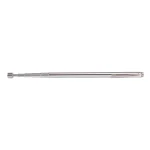
WORKPRO Pickup Tool – WP319007
$3.99
When it misbehaves: symptoms and causes
Symptoms first and teardown last is the sequence that keeps a pickup tool out of the parts bin and its paperwork intact. Weak grip on small parts is usually a fouled claw rather than a tired spring; clean the claws before writing the tool off.
Half of site faults on a pickup tool are assembly and dirt; the other half are wear that announced itself early and was booked into a busy week instead. None of this is clever, and a pickup tool that is treated this way repays it in years, not weeks. The pickup tool keeps no score by itself, but the bench log keeps it for the crews that bother. Habits like these cost minutes and save mornings, which is the best exchange rate a pickup tool will ever offer.
What the record actually says
Catalogue entry as listed: WORKPRO Pickup Tool (reference WP319007). The brand line reads WORKPRO; the listing files under Hand Tools, and prices the listing at $3.99. No model designation is carried in the record, so the text names none. No size line appears in the record, so the text invents none.
How it compares for the work
Between the pickup tool options a buyer actually has, the axes that decide are load, reach and the cost of keeping them sharp. It earns its keep retrieving dropped screws inside cabinets, machines and wall cavities, where fingers and magnets both give up.
A sensible pickup tool comparison weighs the tool against the diary rather than the brochure; the best spec on paper loses to the right size on the belt. The habit costs nothing to keep and costs less than a single pickup tool failure to learn on any site.
Buying, stocking and shelf policy
Stocking a pickup tool well means admitting what fails often, and stocking a pickup tool badly means guessing; the failure log settles which one happened. A pickup tool on the shelf is a decision made calmly; a pickup tool ordered in a hurry is the same decision with a surcharge attached. The pickup tool shelf policy that works is written down, dated and boring; heroics belong on the job, not in the store room. One per crew on the van is enough; they are cheap, but they are also the tool everyone borrows and nobody returns, so label them.
Buy pickup tool capacity against the work actually scheduled rather than the work imagined; stock that turns is an asset, and stock that waits is a price tag. Keep the pickup tool routine boring and the tool stays boring too, which is the whole ambition here.
Field failures we keep seeing
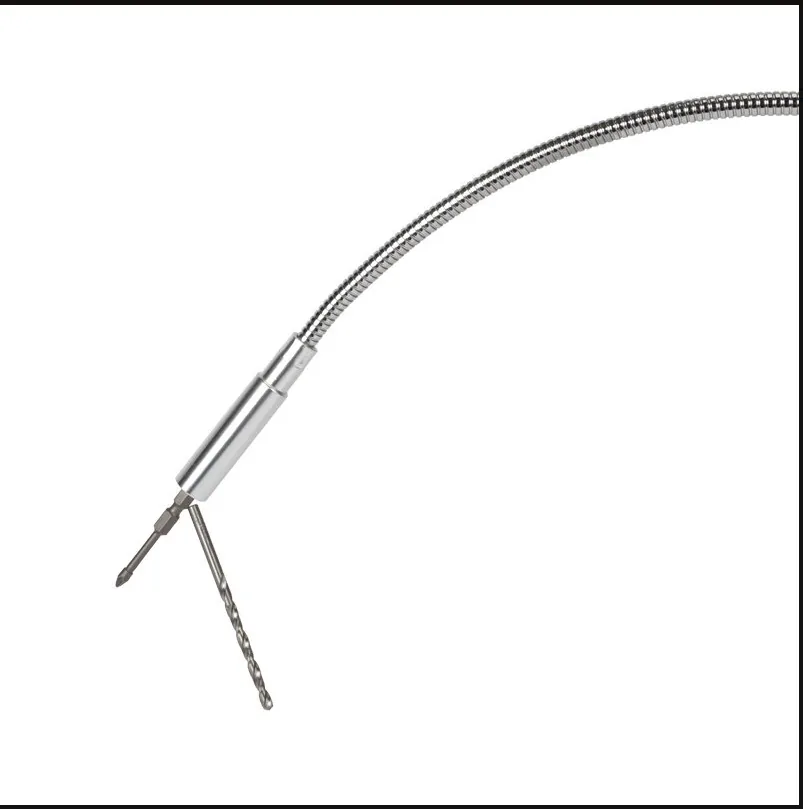
Ask any repair bench what kills a pickup tool and the answer is a short list, told with more amusement than sympathy. The obituary of a pickup tool is usually written months before the funeral, in small abuses that nobody logged at the time. A pickup tool rarely dies of old age on a well-run site; it dies of a habit that somebody thought was a shortcut. Bending the shaft into a permanent dogleg to reach round corners kills the spring action; bend it back each time or carry a flexible pickup instead. None of this is clever, and a pickup tool that is treated this way repays it in years, not weeks. The pickup tool keeps no score by itself, but the bench log keeps it for the crews that bother. Habits like these cost minutes and save mornings, which is the best exchange rate a pickup tool will ever offer.
When repair stops making sense
A pickup tool repair decision made at the bench with numbers beats one made at the van with feelings, every week of the year. The honest question about a tired pickup tool is not can it be fixed but should it be, and the parts list answers it faster than optimism does. Every pickup tool reaches the crossroads where the next repair costs more than the tool; the crews that spot the crossing keep their budgets. The spring is the whole mechanism; when it tires, replacing the tool is cheaper than any repair at this class of price.
Keep a borderline pickup tool alive on bench duty rather than on critical work; the second failure always arrives at the worst moment of the job. Boring is the standard for a pickup tool on this bench; drama always arrives later as an invoice.
What we claim and what we do not
Brand, reference, category and the price line for this pickup tool all come from the catalogue record; the craft notes are ordinary trade practice any operator can check. A shelf note and a minute of attention to the pickup tool now are worth more than a purchase order later.
Anything the record does not state about this pickup tool, the page does not invent; a written specification can be requested from the desk. The habit costs nothing to keep and costs less than a single pickup tool failure to learn on any site.
| Model | WP319007 |
|---|---|
| Size | 457 mm (18 in) flexible shaft |
| Type | Flexible shaft magnetic pick-up tool |
| Length | 585 mm |
Reviews
There are no reviews yet.