
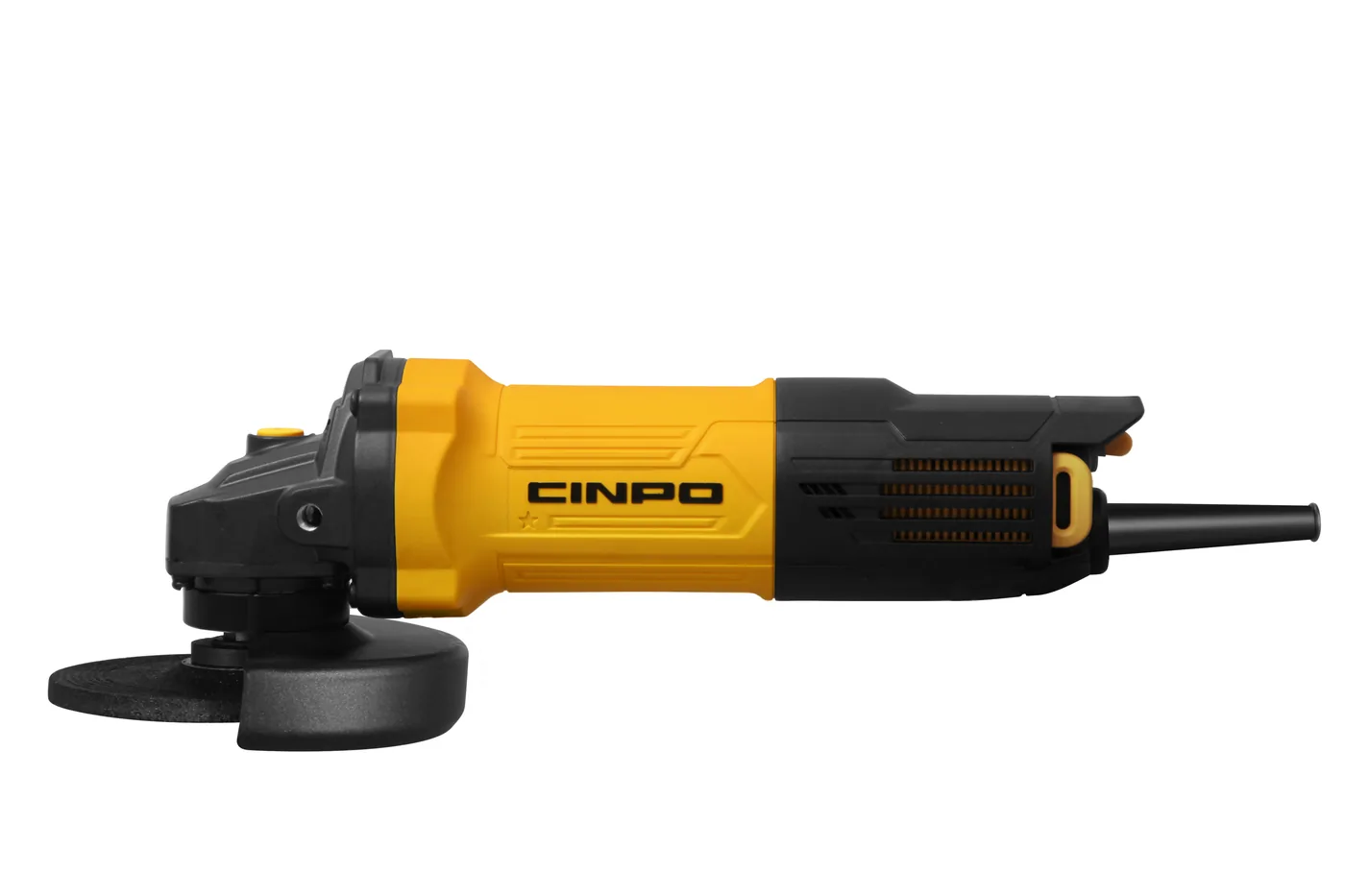

CINPO 1066 Angle Grinder
$22.99
Dust is the real product of a masonry cut
Cutting block, brick or tile with an abrasive wheel produces more dust by volume than it produces cut. The model 1066 is a general-purpose body of its range, and the practical constraint on using it on masonry is not power but dust: where it goes, who breathes it, and what it settles on.
Silica dust is the fraction that matters, and it is the fraction that stays airborne longest. Water suppression at the wheel or extraction at the guard are the two controls that work. A mask worn loosely, or worn after the cut while sweeping, is not a control at all.
Extraction at the guard, not at the floor
The nozzle has to be at the cut. A vacuum held at arm’s length catches the plume after it has already spread, and a workshop swept afterwards simply puts the fine fraction back into the air. A guard with an extraction port and a short flexible hose is the arrangement that works.
Keep the hose bore adequate and the run short; a long narrow hose on a domestic vacuum loses most of its suction at the end. Empty the collector outside and wear a mask while doing it, because emptying is the moment the dust becomes airborne again.
Cutting sequence for block and brick
Score the line, then cut in stages rather than one plunge. Masonry abrasive wheels cut best when the disc is fully engaged and moving, and worst when the operator saws back and forth at part depth. Set the guard, start at the edge, and push steadily through in one direction.
For deep cuts, cut from both faces and meet in the middle. That halves the depth each pass has to reach, keeps the disc cooler, and produces a cleaner edge on the visible face because the breakout happens in the middle rather than on the surface.
Vibration when the wheel loads up
Abrasive wheels load with soft material. The symptom is a disc that stops cutting, gets hot, and starts to vibrate as the loaded patch goes out of balance. Forcing it makes the vibration worse and can crack the wheel.
Dress the wheel by running it briefly in a piece of hard scrap, which clears the loaded surface. If loading recurs within a few cuts, the disc is wrong for the material rather than the operator being at fault.
Overhead and vertical work with a heavy tool
Overhead cutting is the hardest work a grinder does, both for the operator and the tool. Dust falls towards the face, the arms tire, and control degrades exactly when the consequences of losing it are worst. Work in short bursts, keep the guard between the wheel and your face, and use eye protection that seals rather than spectacles.
If the work is extensive overhead, consider a tool designed for it, or plan the job so the cutting happens at bench height before installation. Changing the sequence is often cheaper than fighting the geometry.
What a general-purpose body does well, and badly
A body of this class handles mixed work: metal cutting, light grinding, tile trimming, the occasional masonry chase. It is a compromise, and the compromises show up at the extremes. Sustained heavy grinding overheats it, and deep masonry work outruns its dust tolerance.
After the cut: cleaning and the second exposure
Cleaning up is a second exposure, and it is the one people skip protection for. Dry sweeping raises the same dust the extraction just captured. Wet the surface, use a vacuum with a filter rated for fine dust, or wash down rather than brush.
| Model | 1066 |
|---|---|
| Type | Angle Grinders |
Related products
Reviews
There are no reviews yet.