
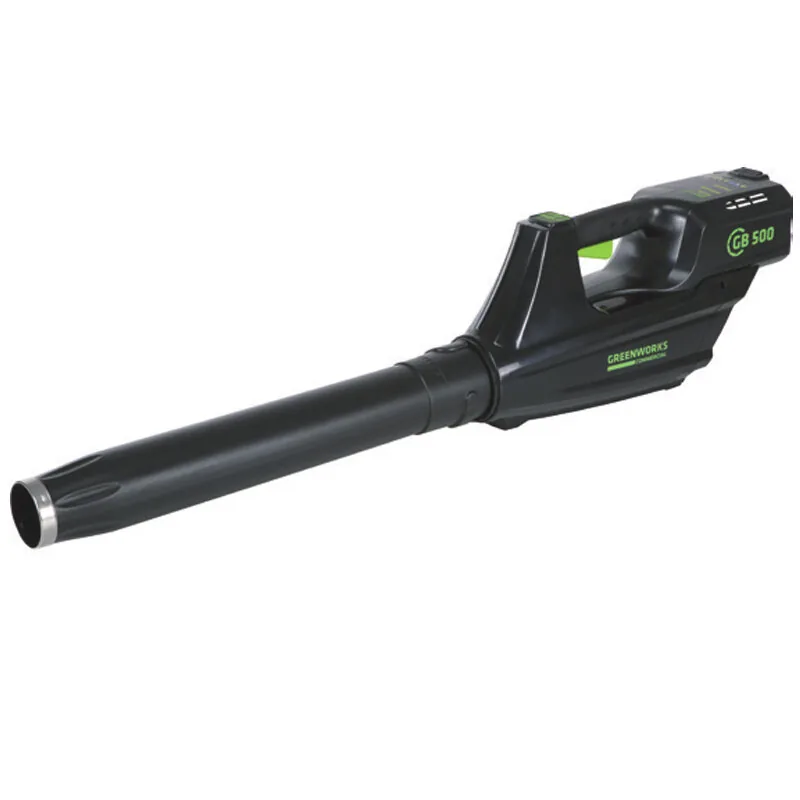
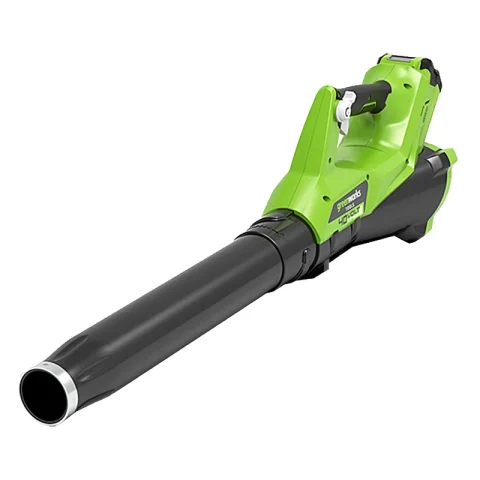
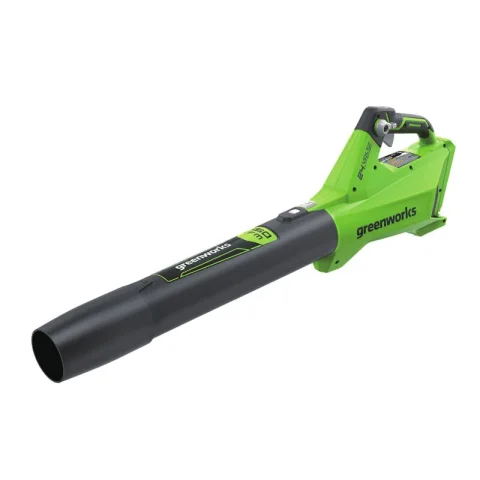
GREENWORKS BLB481-1 Blower Bare Tool 82V
$92.99
Field symptoms and where they come from
Symptoms first and teardown last is the sequence that keeps a blower out of the parts bin and its paperwork intact. A blower that pulses is a partly blocked intake screen; clear it cold and the pulse leaves without tools.
Check the simple things in order on the blower, power and dust and fasteners, and write down what was tried; a fault log turns guesswork into a service history. None of this is clever, and a blower that is treated this way repays it in years, not weeks. The blower keeps no score by itself, but the bench log keeps it for the crews that bother. Habits like these cost minutes and save mornings, which is the best exchange rate a blower will ever offer.
The entry on the books
Catalogue entry as listed: GREENWORKS BLB481-1 Blower Bare Tool 82V (reference 2400562). The listing files under Garden Tools, and prices the listing at $92.99. The record logs a 82V size line.
Selection notes for the buyer
Against the alternatives in its class, this blower turns the buying choice on the work profile rather than on the badge on the housing. The high-voltage line suits long boundary days and big plots where a single pack cannot hold the run.
Compare blower candidates on the axes the job actually loads: duty cycle, reach, weight in the hand and the price of keeping them fed. The habit costs nothing to keep and costs less than a single blower failure to learn on any site.
Buying, stocking and shelf policy
The buying rule for a blower that survives contact with sites: one in the work, one in the box, and the box labelled. Bare tool buyers should confirm the pack line first; the right pack is the difference between a tool and a shelf piece.
Buy blower capacity against the work actually scheduled rather than the work imagined; stock that turns is an asset, and stock that waits is a price tag. Keep the blower routine boring and the tool stays boring too, which is the whole ambition here.
Field failures we keep seeing
The ways a blower usually dies are few, well known and mostly preventable. Blowing against wall corners recirculates dust into face and intakes; angle the blast rather than fighting it. None of this is clever, and a blower that is treated this way repays it in years, not weeks. The blower keeps no score by itself, but the bench log keeps it for the crews that bother. Habits like these cost minutes and save mornings, which is the best exchange rate a blower will ever offer.
The fix-or-replace decision
The fix-or-retire call on a blower is easier when the failure mode, not the mood, makes the decision. Air filters are the quiet service item; a grey filter halves the push long before the motor complains.
Keep a borderline blower alive on bench duty rather than on critical work; the second failure always arrives at the worst moment of the job. Boring is the standard for a blower on this bench; drama always arrives later as an invoice.
What we claim and what we do not
Everything factual on this blower page is drawn from the catalogue entry and the library record; the technique passages are standard trade craft, not specification. A shelf note and a minute of attention to the blower now are worth more than a purchase order later.
Where the record for this blower is silent, the text is silent too; written specification for the listing is available from the desk on request. The habit costs nothing to keep and costs less than a single blower failure to learn on any site.
| Model | BLB481-1 |
|---|---|
| Size | 82V |
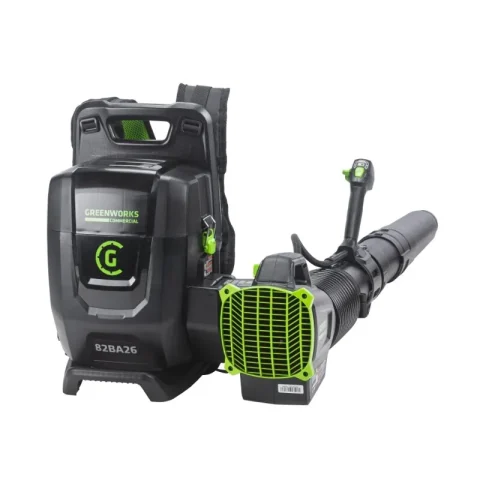
Reviews
There are no reviews yet.