
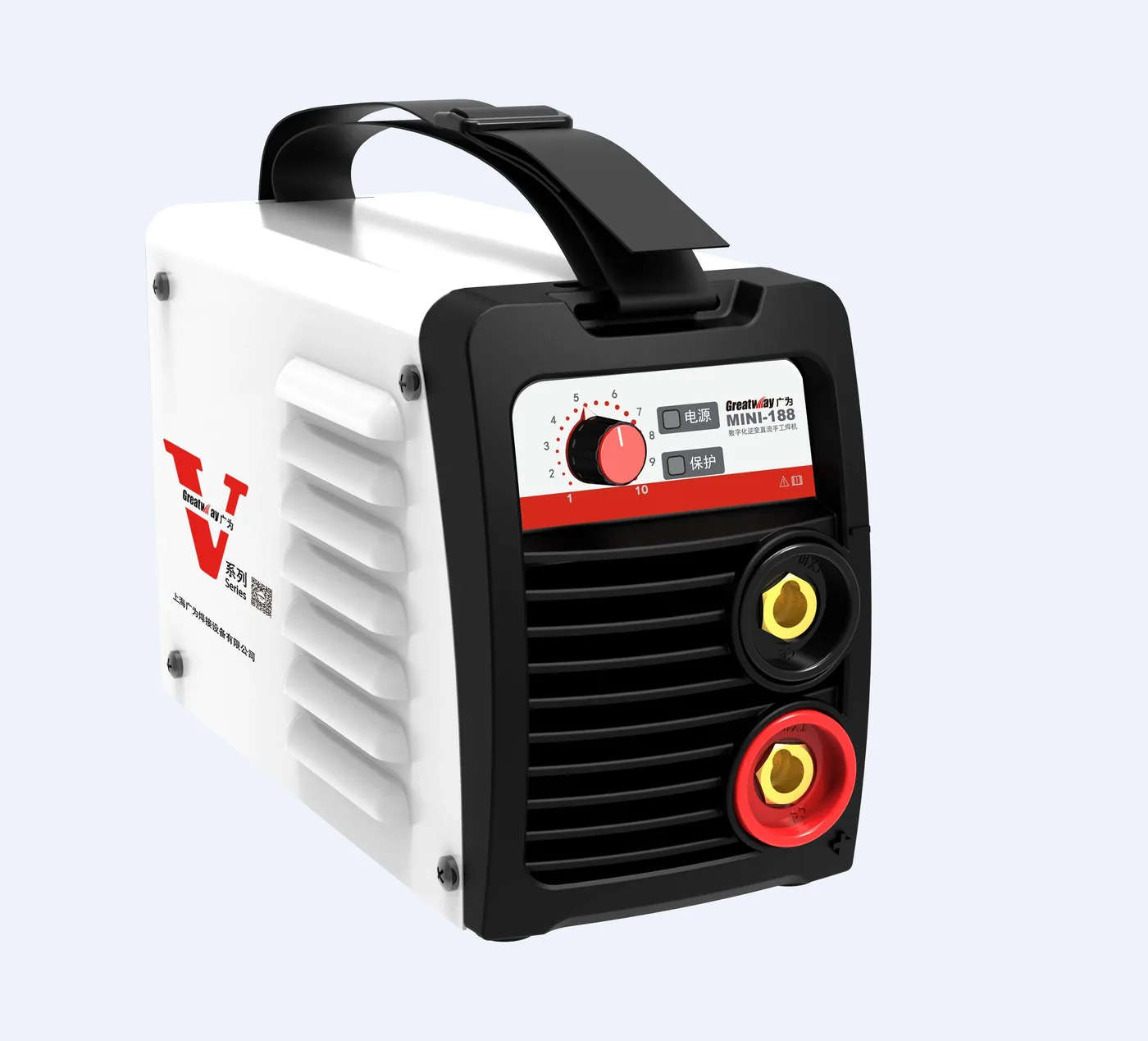
GUANGWEI MINI-188 Stick Welder
$39.99
Overview
Stick welding, or shielded metal arc welding, is the oldest electric joining process still in daily use on site and the only one that needs nothing but a rod, a clamp and a power source. The flux coating on the electrode burns into a gas shield and a slag layer, so the arc can be struck outdoors in wind that would blow a gas-shielded process away. That is why a small stick welder remains the first machine a repair shop or farm buys and the last one it retires.
Catalogue entry as listed: GUANGWEI MINI-188 Stick Welder (reference MINI-188). Output range and duty cycle are not carried in the buying record, so they are handled here as confirmation items rather than as stated figures.
Materials and construction
Two architectures sit under the same casing. A transformer machine is heavy, robust and tolerant of voltage fluctuation; an inverter machine rectifies the mains, switches it at high frequency and delivers the same welding current from a fraction of the weight. Both carry a steel or aluminium case with louvred vents, a fan on the output stage and a front panel with a current control.
The output path matters as much as the electronics. Cable size, the electrode holder and the earth clamp decide whether the current set on the dial actually reaches the arc. Thick welding cable with a tight, well-crimped lug is worth more on a long run than an extra step on the current dial. The holder should grip the rod at the correct angle and hold it without the insulation charring at the jaw.
How to select the right size and variant
Selection is driven by the thickest section the buyer will weld and how long a run they will make on it. A machine that welds a bracket comfortably may not carry a continuous bead on a thicker plate without the thermal cut-out tripping, and the duty cycle figure at a given ambient temperature is what settles that question. The second figure is the supply: single-phase domestic supply, single-phase industrial and three-phase are not interchangeable, and a machine sized for one will trip a breaker on another.
Then come the practical questions. Does the buyer need a machine that runs from a generator, which rules out some inverter designs? Does the work happen in the rain, where a metal case with a proper earth is not optional? Will the same unit ever run a lift-arc or scratch-start TIG torch, which some inverters support with an added torch and gas valve?
Typical applications
Farm and plant repair is the classic use: implement frames, gates, trailer beds and cracks in cast housings. Fabricators use a stick machine for structural steel where the joint is thick and access is awkward. Site crews weld embedded plates and temporary works. Maintenance departments keep one for repairs that cannot wait for a specialist. Training workshops use them because the process teaches heat control with nowhere to hide.
Standards and acceptance checks
Three checks settle a delivery. First, arc stability: strike an arc on scrap at the low end of the range and confirm it holds without sticking, then repeat at the top end and confirm the machine does not cut out within a sensible burst. Second, thermal behaviour: run a continuous bead and note how long it takes before the cut-out operates and how quickly the fan brings it back, since a machine that trips early on thin work is under-cooled. Third, the output circuit: confirm the earth clamp bites clean metal, the cable lugs are tight, and the insulation shows no cracks where the cable enters the holder.
The process brings hazards that shape the purchase. Arc eye comes from ultraviolet light, so a proper shield with the correct shade for the current is mandatory. Fumes from flux and from galvanised or painted steel need extraction or forced ventilation. The welding circuit must be isolated before any cable or holder is changed.
Packing, quantity and shipping
Machines in this class normally ship in a printed carton with an electrode holder, an earth clamp with cable, a chipping hammer and a wire brush. Bulk orders benefit from a stronger carton with foam blocks at the corners, since the transformer variant is heavy and the case dents easily on pallets. Confirm whether cable lengths are included at the stated figure or cut shorter for the export carton.
What to confirm before ordering
Confirm the supply voltage and phase, the plug type, and the output range with the amperage at which the stated duty cycle applies. Confirm the maximum electrode diameter, the cable length and cross-section, and whether the holder and clamp are included. Confirm the cooling arrangement, the thermal protection behaviour, the manual language, and the carton marking.
| Model | MINI-188 |
|---|---|
| Type | Stick Welders |
Related products
Reviews
There are no reviews yet.