
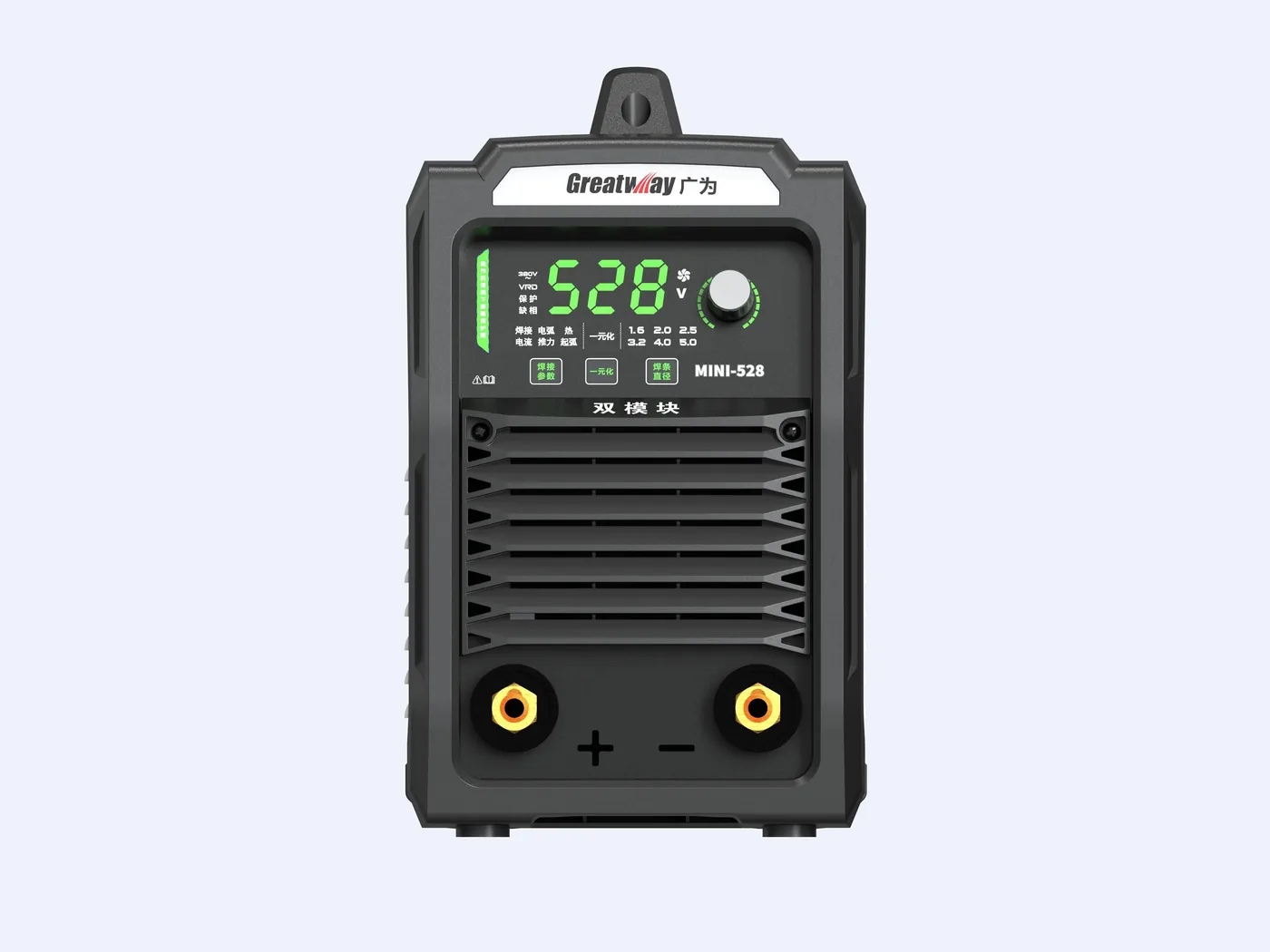
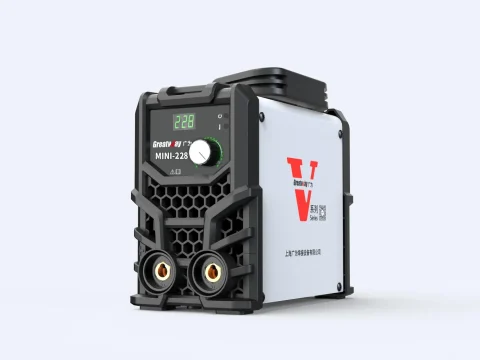
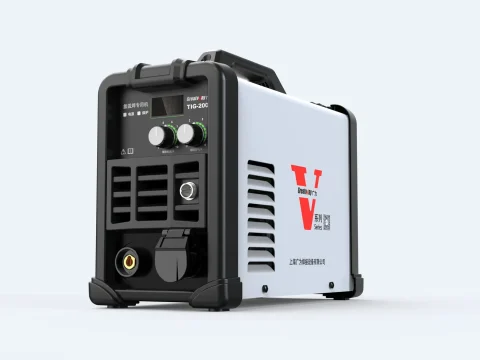
GUANGWEI MINI-528 Stick Welder
$138.99
Overview
Two pieces of steel welded together will move. Heat applied along one edge of a plate makes that edge longer, and when it cools the plate curls toward the weld. Every technique in structural fabrication is a way of managing that movement: sequencing, tacking, balancing passes, and accepting that the part will need straightening unless the sequence was planned before the first arc was struck.
Catalogue entry as listed: GUANGWEI MINI-528 Stick Welder (reference MINI-528). Output and duty figures are not carried in the buying record, so they remain confirmation items; the paragraphs below deal with preparation and technique, which decide the outcome as much as the machine does.
Materials and construction
Joint preparation is where a sound weld begins. A square butt on thin plate can be welded from one side; thicker plate needs a bevel, a root gap and a land, so that the arc reaches the bottom of the joint and the weld penetrates rather than sitting on the surface as a cap. A V preparation concentrates heat in a narrow zone, and a double-V balances the shrinkage from both sides.
The consumables have to suit the parent metal. A mild steel electrode on a high-strength or alloy steel gives a deposit with different properties from the material around it, which can matter more in fatigue than in static load. Where the steel is unknown, which is normal in repair work, the practical route is a rutile electrode that tolerates dirt and fits the likely strength, not a specialist rod that assumes knowledge the fabricator does not have.
How to select the right size and variant
Choose the machine by the thickest joint the shop will weld in one pass, then accept that thick joints are welded in several. A multi-pass weld needs consistent current at each pass, so a machine that sags under load produces a cap over a weak root that passes visual inspection and fails a bend test. Then consider where the work is done: inside a shop the supply is stable, on site it may not be.
Position decides the rod. Flat work allows a larger electrode and a faster deposit; vertical-up work needs a rod that freezes quickly so that the pool does not run out of the joint. If the shop does a mixture, the machine has to be capable at both ends of its range, not just at maximum.
Typical applications
Structural frames and base plates. Gates, railings and balustrades where appearance matters as much as strength. Trailer chassis and drawbar repairs, which are safety-critical and often done on unknown steel. Machine bases and brackets. Temporary works and site fabrications that must be built quickly and inspected.
Standards and acceptance checks
Three checks decide whether a joint is acceptable. Fit-up: the root gap should be uniform, and a gap that closes along the seam will leave a section with no penetration. Cap profile: a cap that is convex and heavy hides undercut at the toes, which is where cracks start. Distortion: measure the part after cooling rather than during welding, because a weld that looks straight while hot will move.
Visual inspection is not sufficient for a structural joint, and the buyer should know what the acceptance method is before quoting: a visual check, a dye penetrant check, or a destructive test on a coupon welded with the same procedure. The hazards are the same as any arc process but amplified by current: arc radiation, fume from coatings and from galvanised surfaces, and the risk of fire from spatter in an area where the floor has not been cleared.
Packing, quantity and shipping
Machines ship with a holder, a clamp and cables, and a carton strong enough for the weight. For fabrication shops ordering in quantity, the accessory set is usually replaced by the shop’s own leads, so confirm whether the supplied cables are wanted or whether a bare machine option exists. Electrodes are a separate purchase and should ship in sealed packs with the batch marked.
What to confirm before ordering
Confirm the output range and the duty cycle at the current the shop will use, and the maximum electrode diameter. Confirm the supply voltage and phase, the polarity options, and the cable lengths and cross-sections. Confirm the accessories included, the cooling arrangement, the manual language, and whether a procedure or welding guidance document is supplied.
| Model | MINI-528 |
|---|---|
| Type | Stick Welders |
Related products
Reviews
There are no reviews yet.