
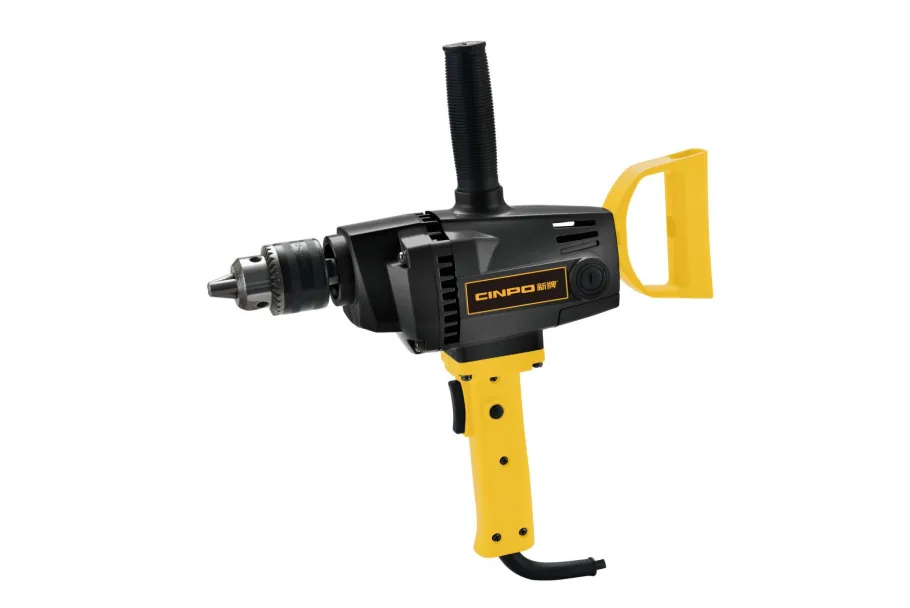
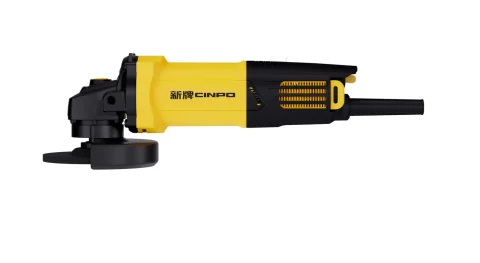
CINPO 6036 Drill
$26.99
Field symptoms and where they come from
Symptoms first and teardown last is the sequence that keeps a drill out of the parts bin and its paperwork intact. A drill that wanders at start wants a centre punch mark before any deeper theory; the point follows the dimple.
Start every drill investigation with the cheapest question, is it clean, and end with the dearest one, is it worn; the answer usually lives at the cheap end. Work a drill fault from the plug inward: supply, fasteners, filters, then settings, and only then the internals nobody wants to open on a live job. Give a drill fault the witness treatment, who ran it, on what, for how long; the story behind the symptom removes half the possible causes by itself. None of this is clever, and a drill that is treated this way repays it in years, not weeks. The drill keeps no score by itself, but the bench log keeps it for the crews that bother. Habits like these cost minutes and save mornings, which is the best exchange rate a drill will ever offer.
The entry on the books
Catalogue entry as listed: CINPO 6036 Drill (reference S0070010044). The listing files under Electric Power Tools, and carries a listed price of $26.99. No size line appears in the record, so the text invents none.
How it compares for the work
Against the alternatives in its class, this drill turns the buying choice on the work profile rather than on the badge on the housing. The lighter body suits assembly rounds and cabinetry where trigger control beats raw twist.
A sensible drill comparison weighs the tool against the diary rather than the brochure; the best spec on paper loses to the right size on the belt. The habit costs nothing to keep and costs less than a single drill failure to learn on any site.
Buying, stocking and shelf policy
The buying rule for a drill that survives contact with sites: one in the work, one in the box, and the box labelled. Keep chuck keys tethered inside the case; a loose key is a lost key by the second week.
Order drill consumables on a cadence rather than in a panic; the panic order always ships the slow way and arrives after the job has moved on. Give every drill on the shelf a label, a date and a place to live; unnamed stock is how duplicates breed and shortages surprise. Review drill stock against the jobs actually quoted for the month ahead; the diary is a better purchasing agent than any instinct is. Keep the drill routine boring and the tool stays boring too, which is the whole ambition here.
The misuses that shorten its life
Every trade has its list of self-inflicted failures, and the drill list is short and predictable. Forcing the feed stalls the motor and strips the bit; let the flutes clear and the cut stays honest. None of this is clever, and a drill that is treated this way repays it in years, not weeks. The drill keeps no score by itself, but the bench log keeps it for the crews that bother. Habits like these cost minutes and save mornings, which is the best exchange rate a drill will ever offer.
When repair stops making sense
Serviceability questions about a drill end better when asked early, before the second failure books itself. Chuck jaws are the service item; a bit that walks in a tightened chuck wants jaws, not a new bit.
Keep a borderline drill alive on bench duty rather than on critical work; the second failure always arrives at the worst moment of the job. Boring is the standard for a drill on this bench; drama always arrives later as an invoice.
How this page was written
Brand, reference, category and the price line for this drill all come from the catalogue record; the craft notes are ordinary trade practice any operator can check. A shelf note and a minute of attention to the drill now are worth more than a purchase order later.
Anything the record does not state about this drill, the page does not invent; a written specification can be requested from the desk. The habit costs nothing to keep and costs less than a single drill failure to learn on any site.
| Model | 6036 |
|---|---|
| Type | Drills |
Related products
Reviews
There are no reviews yet.