
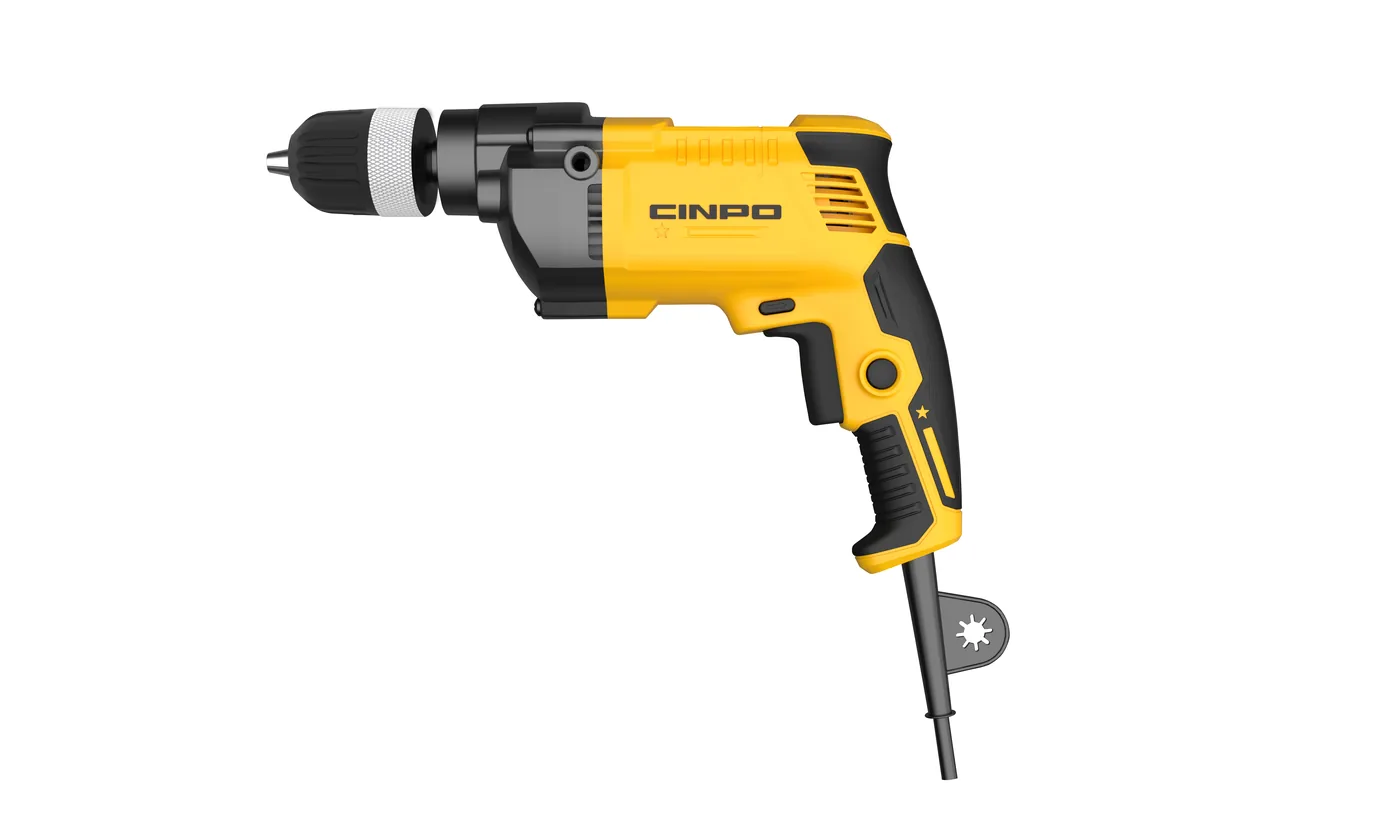

CINPO 62055 Drill
$20.99
Troubleshooting: first symptoms and likely causes
Symptoms first and teardown last is the sequence that keeps a drill out of the parts bin and its paperwork intact. Grease the chuck sleeve threads lightly and work the jaws closed a few times; a dry chuck binds halfway and the bit walks off the mark.
Diagnose from cheapest to dearest on a drill: a clean, a setting and a consumable before any teardown; most returned faults live in the first three checks. The drill does not need looking after so much as looking at, and the looking has to happen on a schedule.
The catalogue facts
Catalogue entry as listed: CINPO 62055 Drill (reference S0070010051). Its record sits within the Electric Power Tools group, and attaches the listed price of $20.99 to the offer. No measurement line is kept on the record, so none is stated.
How it compares for the work
Between the drill options a buyer actually has, the axes that decide are load, reach and the cost of feeding it. It fits the crew that wants a second drill for the second station; the same simple body, no new rail, no new habits.
Compare drill candidates on the axes the job actually loads: duty cycle, reach, weight in the hand and the price of keeping them fed. The habit costs nothing to keep and costs less than a single drill failure to learn on any site.
Stock and procurement notes
On stocking a drill, the honest rule is small numbers of the right thing rather than shelves of hope. Rotate the two bodies rather than running one to death; identical spares that are alternated outlast two that are worked unevenly.
Buy drill capacity against the work actually scheduled rather than the work imagined; stock that turns is an asset, and stock that waits is a price tag. Keep the drill routine boring and the tool stays boring too, which is the whole ambition here.
The misuses that shorten its life
The ways a drill usually dies are few, well known and mostly preventable. Wobble at the bit is grit in the jaws more often than a bent shaft; clean the chuck before condemning the drill. Where the drill fails it usually fails quietly first, and the quiet part is what the routine is written to catch.
The fix-or-replace decision
The fix-or-retire call on a drill is easier when the failure mode, not the mood, makes the decision. The chuck and the brushes are the parts that wear; everything behind them is a sealed assembly.
Keep a borderline drill alive on bench duty rather than on critical work; the second failure always arrives at the worst moment of the job. Boring is the standard for a drill on this bench; drama always arrives later as an invoice.
Our description policy
Everything factual on this drill page is drawn from the catalogue entry and the library record; the technique passages are standard trade craft, not specification. The drill keeps no calendar, so the crew has to keep one for it, and the note on the shelf is that calendar.
Where the record for this drill is silent, the text is silent too; written specification for the listing is available from the desk on request. The habit costs nothing to keep and costs less than a single drill failure to learn on any site.
| Model | 62055 |
|---|---|
| Type | Drills |
Reviews
There are no reviews yet.