
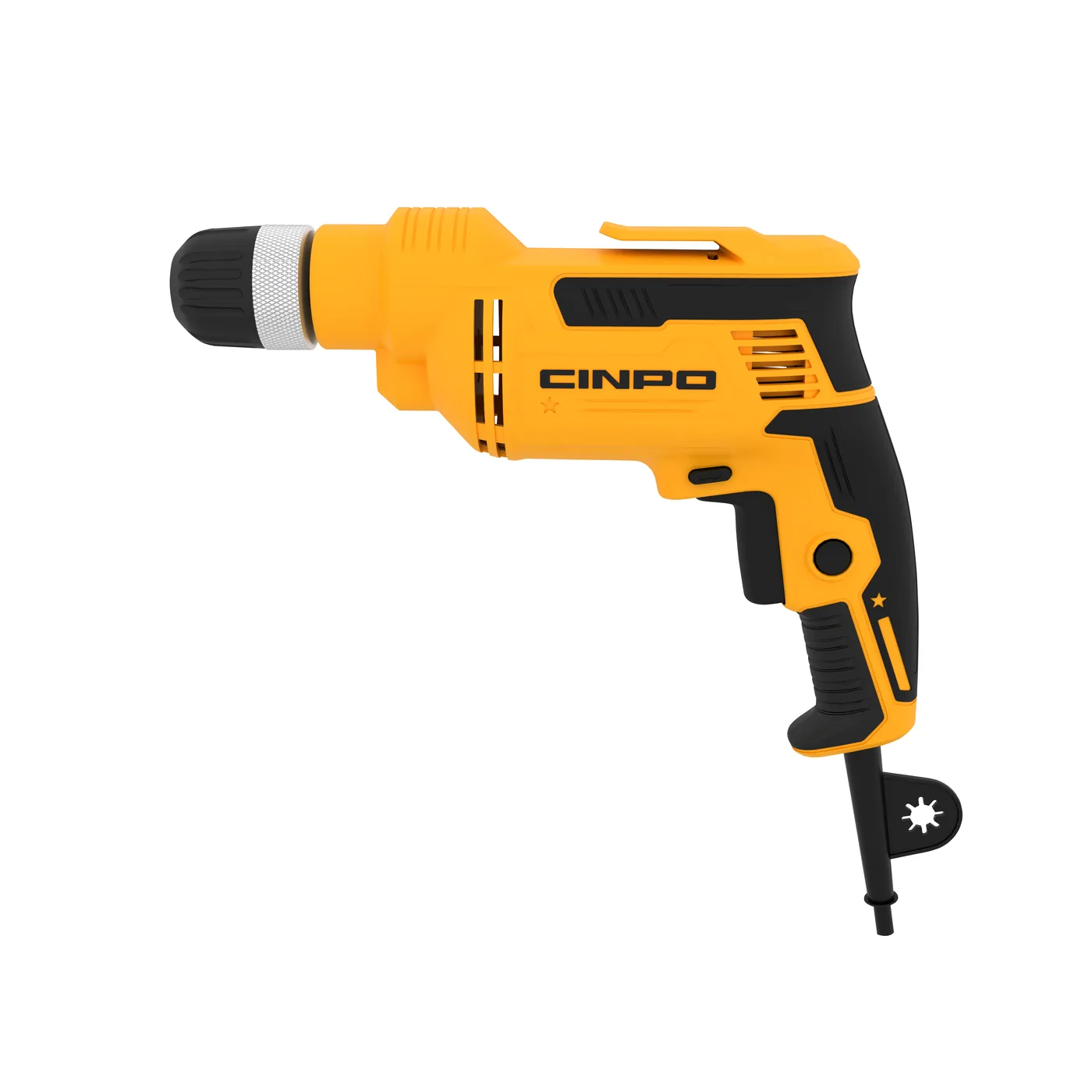
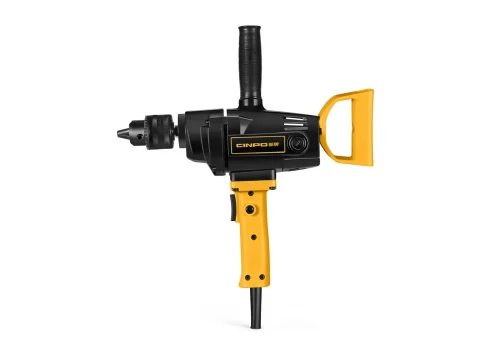
CINPO 62056 Drill
$22.99
Troubleshooting: first symptoms and likely causes
Troubleshooting a drill begins with what changed, not with what broke; the last job tells you more than the manual does. Check the ventilation path before the first long job; a body that has sat in a warehouse collects packing dust and will run hot on its first real shift.
Start every drill investigation with the cheapest question, is it clean, and end with the dearest one, is it worn; the answer usually lives at the cheap end. Work a drill fault from the plug inward: supply, fasteners, filters, then settings, and only then the internals nobody wants to open on a live job. Give a drill fault the witness treatment, who ran it, on what, for how long; the story behind the symptom removes half the possible causes by itself. Small disciplines, applied on every shift, are what keep the drill off the scrap bench for good.
The catalogue facts
Catalogue entry as listed: CINPO 62056 Drill (reference S0070010049). It sits on the Electric Power Tools shelf of the catalogue, and attaches the listed price of $22.99 to the offer. The record has no size line, and no figure is supplied in its place.
Choosing between the alternatives
Between the drill options a buyer actually has, the axes that decide are load, reach and the cost of feeding it. It suits the crew that needs a spare body on the shelf rather than a spare of everything, and can share the bits it already owns.
When two drill options both serve, choose the one whose consumables and spares the store already carries; familiarity is a feature no datasheet lists. The drill tolerates neglect for a while and then presents the bill in one lump, which is why the small habits are worth more than the large repair.
Buying, stocking and shelf policy
Procurement planning for a drill starts from the failures: stock the parts that stop jobs, not the parts that decorate shelves. Rotate the spare into service rather than leaving it boxed for a year; a tool that has never run is not a known-good tool when it is finally needed.
A shelf policy that labels, dates and rotates drill stock beats a larger budget; the cheapest tool is the one already on the shelf when the job calls. Whatever the drill is asked to do, the asking is easier when the tool is where it belongs and known to be sound.
Field failures we keep seeing
The ways a drill usually dies are few, well known and mostly preventable. A drill that has been stored for a long time often fails at the switch first, because the contacts corrode where they are not wiped by use. None of this is clever, and a drill that is treated this way repays it in years, not weeks. The drill keeps no score by itself, but the bench log keeps it for the crews that bother. Habits like these cost minutes and save mornings, which is the best exchange rate a drill will ever offer.
When repair stops making sense
A drill repair decision made at the bench with numbers beats one made at the van with feelings, every week of the year. The honest question about a tired drill is not can it be fixed but should it be, and the parts list answers it faster than optimism does. Every drill reaches the crossroads where the next repair costs more than the tool; the crews that spot the crossing keep their budgets. Treat the first service as a commissioning check rather than a repair; brushes, cord entry, and chuck grip are what a stored tool needs looked at.
Retire a drill that fails in ways that endanger rather than inconvenience; a tool that fails safe can wait for parts, and one that fails loud cannot. Boring is the standard for a drill on this bench; drama always arrives later as an invoice.
What we claim and what we do not
The catalogue record supplies every factual claim on this drill page, brand and reference and category alike; the rest is trade craft, clearly labelled as such. Two sources meet on this drill page: the catalogue entry for the facts, and ordinary workshop practice for the advice; neither pretends to be the other. Nothing on this drill page is invented; the factual half comes from the record, and the craft half is what any journeyman would tell you across the bench. Store the drill like it matters and it usually does; store it like junk and the bench proves the point eventually. The drill policy costs one wall chart and one honest minute a week, which is cheaper than any alternative on offer. A boring drill shelf is a profitable shelf; excitement in the store room always bills somebody in the end.
This page claims no figure for the drill that the record does not carry; specifications in writing are available from the desk. The drill tolerates neglect for a while and then presents the bill in one lump, which is why the small habits are worth more than the large repair.
| Model | 62056 |
|---|---|
| Type | Drills |
Reviews
There are no reviews yet.