
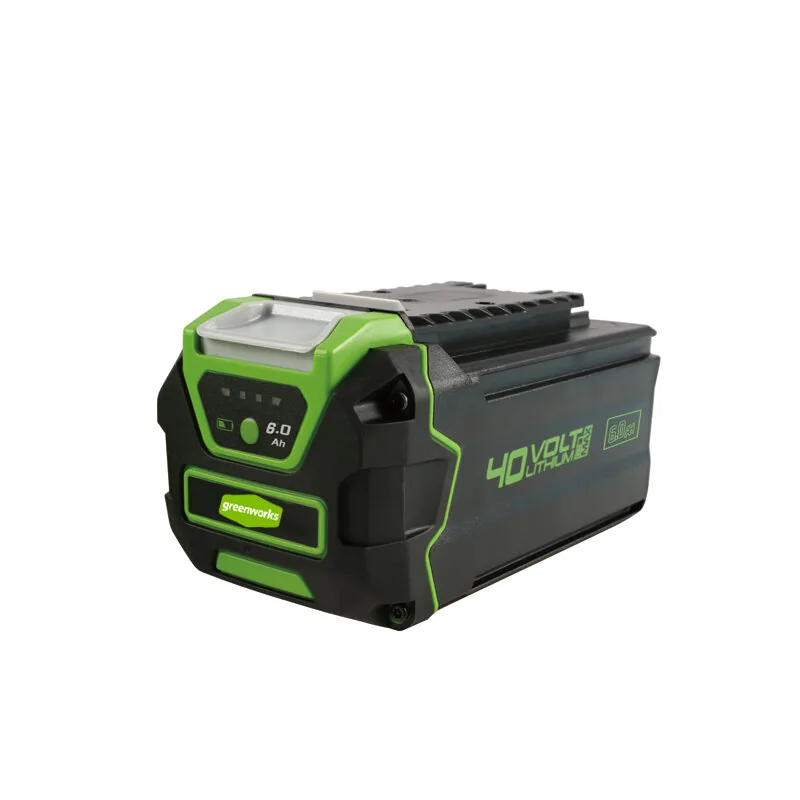
GREENWORKS Battery 40V – 2909262
$97.99
Field symptoms and where they come from
Symptoms first and teardown last is the sequence that keeps a battery pack out of the parts bin and its paperwork intact. A pack that runs hot on charge should come off and cool; heat is the one enemy the casing cannot keep out.
Half of site faults on a battery pack are assembly and dirt; the other half are wear that announced itself early and was booked into a busy week instead. None of this is clever, and a battery pack that is treated this way repays it in years, not weeks. The battery pack keeps no score by itself, but the bench log keeps it for the crews that bother. Habits like these cost minutes and save mornings, which is the best exchange rate a battery pack will ever offer.
The catalogue facts
Catalogue entry as listed: GREENWORKS Battery 40V (reference 2909262). The listing files under Electric Power Tools, and attaches the listed price of $97.99 to the offer. The record logs a 40V size line. No model designation is carried in the record, so the text names none.
Selection notes for the buyer
Selection questions about a battery pack answer best with the day’s real work on the table, not with catalogue superlatives. For crews whose mornings are all cutting, the larger reservoir covers the shift where the standard pack taps out.
Compare battery pack candidates on the axes the job actually loads: duty cycle, reach, weight in the hand and the price of keeping them fed. The habit costs nothing to keep and costs less than a single battery pack failure to learn on any site.
Stock and procurement notes
On stocking a battery pack, the honest rule is small numbers of the right thing rather than shelves of hope. Store at part charge in the shoulder seasons; full-then-flat storage is the cycle that shrinks the fleet fastest.
Order battery pack consumables on a cadence rather than in a panic; the panic order always ships the slow way and arrives after the job has moved on. Give every battery pack on the shelf a label, a date and a place to live; unnamed stock is how duplicates breed and shortages surprise. Review battery pack stock against the jobs actually quoted for the month ahead; the diary is a better purchasing agent than any instinct is. Keep the battery pack routine boring and the tool stays boring too, which is the whole ambition here.
How tools of this class usually die
Failure reports for a battery pack repeat themselves across sites with remarkable discipline. Deep-draining to force the last cut writes off packs before their time; retire at the sag, not at the shutdown. None of this is clever, and a battery pack that is treated this way repays it in years, not weeks. The battery pack keeps no score by itself, but the bench log keeps it for the crews that bother. Habits like these cost minutes and save mornings, which is the best exchange rate a battery pack will ever offer.
When repair stops making sense
The fix-or-retire call on a battery pack is easier when the failure mode, not the mood, makes the decision. Cell groups drift unevenly with age; a pack that will not balance on a full cycle is booking its replacement.
Keep a borderline battery pack alive on bench duty rather than on critical work; the second failure always arrives at the worst moment of the job. Boring is the standard for a battery pack on this bench; drama always arrives later as an invoice.
How this page was written
The facts here are the catalogue facts for one battery pack; the advice is ordinary craft of the trade, written so new hands stop learning it from broken parts. A shelf note and a minute of attention to the battery pack now are worth more than a purchase order later.
Where the record for this battery pack is silent, the text is silent too; written specification for the listing is available from the desk on request. The habit costs nothing to keep and costs less than a single battery pack failure to learn on any site.
| Model | 2909262 |
|---|---|
| Type | Batteries |
| Voltage | 40 V |
Related products
Reviews
There are no reviews yet.