



Kress KP640 Nailer
Price on request
Field symptoms and where they come from
Troubleshooting a nailer begins with what changed, not with what broke; the last job tells you more than the manual does. A tool that will not cycle although it holds pressure usually has a sticking safety element rather than a broken one.
Start every nailer investigation with the cheapest question, is it clean, and end with the dearest one, is it worn; the answer usually lives at the cheap end. Work a nailer fault from the plug inward: supply, fasteners, filters, then settings, and only then the internals nobody wants to open on a live job. Give a nailer fault the witness treatment, who ran it, on what, for how long; the story behind the symptom removes half the possible causes by itself. Teams that debrief a broken nailer rarely meet the same failure twice.
What the record actually says
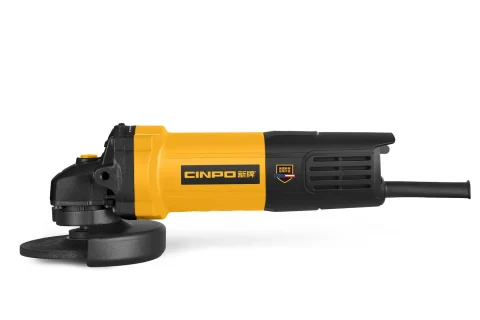
Catalogue entry as listed: Kress KP640 Nailer (reference A0120138). The catalogue files it under Electric Power Tools, with the price quoted per order by the desk. No size line appears in the record, and none is supplied here.
Selection notes for the buyer
Against the alternatives in its class, this nailer turns the buying choice on the work profile rather than on the badge on the housing. A sensible yard tool for fencing and crating, where the fastener length changes with the job rather than with the shift.
Put two nailer candidates side by side and ask what each costs on its worst day, not its best; the worst day is the one that decides the purchase. Judge nailer options by their second year, when consumables, spares and operator habits have all priced themselves in; year one lies to everyone. A nailer comparison that ignores the store room is incomplete; the option the store can actually support is the option that keeps working in March. Every nailer on the bench should have a last checked date written somewhere visible.
Stock and procurement notes
Stocking a nailer well means admitting what fails often, and stocking a nailer badly means guessing; the failure log settles which one happened. A nailer on the shelf is a decision made calmly; a nailer ordered in a hurry is the same decision with a surcharge attached. The nailer shelf policy that works is written down, dated and boring; heroics belong on the job, not in the store room. Hang it by the handle with the hose off; a nailer left pressurised in a rack is asking for an accidental discharge.
Order nailer consumables on a cadence rather than in a panic; the panic order always ships the slow way and arrives after the job has moved on. Give every nailer on the shelf a label, a date and a place to live; unnamed stock is how duplicates breed and shortages surprise. Review nailer stock against the jobs actually quoted for the month ahead; the diary is a better purchasing agent than any instinct is. The best time to log a nailer fault is when the operator first mutters about it.
Field failures we keep seeing
Ask any repair bench what kills a nailer and the answer is a short list, told with more amusement than sympathy. The obituary of a nailer is usually written months before the funeral, in small abuses that nobody logged at the time. A nailer rarely dies of old age on a well-run site; it dies of a habit that somebody thought was a shortcut. Feed trouble usually begins with a magazine that has taken a knock, so the fasteners ride into the nose at an angle. Every nailer on the bench should have a last checked date written somewhere visible.
The fix-or-replace decision
Serviceability questions about a nailer end better when asked early, before the second failure books itself. The valve seat and bumper cover most visits, and the cast body is what makes the repair worth doing at all.
Retire a nailer that fails in ways that endanger rather than inconvenience; a tool that fails safe can wait for parts, and one that fails loud cannot. Track nailer runtime with the same seriousness as fuel, and the budget stops arguing.
What we claim and what we do not
The facts here are the catalogue facts for one nailer; the advice is ordinary craft of the trade, written so new hands stop learning it from broken parts. The best time to log a nailer fault is when the operator first mutters about it.
Silence in the record means silence on the page; for a written specification of this nailer, ask the desk and it will be sent over. This nailer page stretches nothing and fills nothing; what the record does not carry, the desk will provide in writing when asked. Every gap in the nailer record stays a gap here; the desk holds the written specification and sends it to anyone who asks for it. Every nailer on the bench should have a last checked date written somewhere visible.
| Model | KP640 |
|---|---|
| Type | Nailers |
Related products
Reviews
There are no reviews yet.