


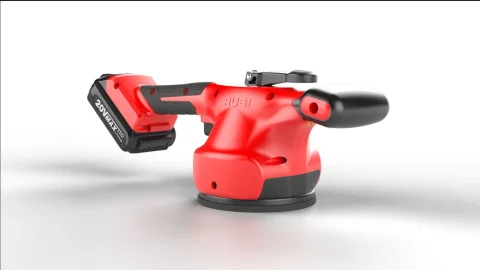
Kress KU120 Drill
Price on request
When it misbehaves: symptoms and causes
The first report on a failing drill is almost never the fault itself; it is a symptom wearing the wrong name badge. A drill complaint usually arrives dressed as a breakdown but walks like a setting; make it show its papers before anyone reaches for tools. Fire it against a scrap piece before it goes out as the spare; a backup that has never run always chooses the worst moment to admit it.
Half of site faults on a drill are assembly and dirt; the other half are wear that announced itself early and was booked into a busy week instead. Small disciplines, applied on every shift, are what keep the drill off the scrap bench for good.
The entry on the books
Catalogue entry as listed: Kress KU120 Drill (reference A0120224). The catalogue places it with the Electric Power Tools goods, and leaves pricing quoted per order rather than printed. The entry carries no measurement line, so the text claims nothing of the kind.
Choosing between the alternatives
Against the alternatives in its class, this drill turns the buying choice on the work profile rather than on the badge on the housing. It is the standby and second-station body, the one that keeps a two-person crew moving when the first drill is committed elsewhere.
When two drill options both serve, choose the one whose consumables and spares the store already carries; familiarity is a feature no datasheet lists. A drill looked over before the working day begins rarely gets to argue about it later, which is the quiet bargain worth keeping.
Procurement notes for the buyer
The buying rule for a drill that survives contact with sites: one in the work, one in the box, and the box labelled. Mark its shelf slot and cycle it into monthly use; a standby that is never turned fails on its first working day.
Buy drill capacity against the work actually scheduled rather than the work imagined; stock that turns is an asset, and stock that waits is a price tag. The drill keeps no diary, so somebody must keep one for it, and the card on the shelf is that somebody.
How tools of this class usually die
The ways a drill usually dies are few, well known and mostly preventable. A drill that only runs in one direction has a tired direction switch; caught early it is a five-minute job, caught late a bench one. The habit costs nothing to keep and costs less than a single drill failure to learn on any site.
When repair stops making sense
Repair or replace is a weekly question for a drill, and it deserves arithmetic rather than sentiment. The switch and the chuck are the wear points worth keeping in stock; the motor is sealed and outlasts both.
Weigh a drill repair in hours as well as money; a cheap part that takes the machine out for a week is not a cheap part. Log every drill repair with its date and its parts; the second entry on the same fault is usually the signature on the replacement order. Set a drill rule in advance, such as no more than one major repair per season; rules made in advance survive the pressure of the moment. The drill keeps no diary, so somebody must keep one for it, and the card on the shelf is that somebody.
Our description policy
Brand, reference, category and the price line for this drill all come from the catalogue record; the craft notes are ordinary trade practice any operator can check. The drill returns whatever attention is banked in it, and a small deposit each week funds a season of working days.
This page claims no figure for the drill that the record does not carry; specifications in writing are available from the desk. A drill looked over before the working day begins rarely gets to argue about it later, which is the quiet bargain worth keeping.
| Model | KU120 |
|---|---|
| Type | Drills |
Reviews
There are no reviews yet.