

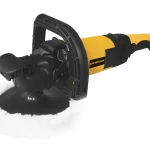
Kress KU620 Planer
Price on request
Field symptoms and where they come from
Symptoms first and teardown last is the sequence that keeps a planer out of the parts bin and its paperwork intact. A planer that leaves a ridge down the middle of the board is telling you the knives were set unevenly, not that the motor is weak.
Half of site faults on a planer are assembly and dirt; the other half are wear that announced itself early and was booked into a busy week instead. The habit of testing a planer before it leaves the store room travels well between crews.
The catalogue facts
Catalogue entry as listed: Kress KU620 Planer (reference A0120192). It is indexed under Electric Power Tools in the catalogue, and leaves pricing quoted per order rather than printed. The entry carries no size figure, and the text keeps to the entry.
How it compares for the work
Comparing planer options honestly starts with the jobs they will actually see this quarter, not with the ones they could theoretically do. The right planer for a crew shows up in the work diary long before it shows up in a datasheet; read the diary first and shop second. Among the planer choices open to a buyer, the differences that matter repeat daily, and the differences that impress appear once a year at best. The hand planer for a fitter who trims doors on site and would rather not carry a jointer to the job.
When two planer options both serve, choose the one whose consumables and spares the store already carries; familiarity is a feature no datasheet lists. Photograph the planer serial plate on day one; warranty conversations go faster forever.
Stock and procurement notes
Procurement planning for a planer starts from the failures: stock the parts that stop jobs, not the parts that decorate shelves. Store it on its side with the knives clear of the bench; a planer set down on its sole picks up grit that shows in the next cut.
Buy planer capacity against the work actually scheduled rather than the work imagined; stock that turns is an asset, and stock that waits is a price tag. If the planer has to be forced, the force is telling you something worth writing down.
How tools of this class usually die
Every trade has its list of self-inflicted failures, and the planer list is short and predictable. Most complaints trace to a drive belt that has stretched, which shows up as the drum slowing under load rather than as a stall. A planer retirement note that says why helps the next buyer more than the invoice does.
The fix-or-replace decision
Serviceability questions about a planer end better when asked early, before the second failure books itself. Knives, the belt and the dust port are the regular items, and all three are bench jobs rather than a return to the supplier.
Keep a borderline planer alive on bench duty rather than on critical work; the second failure always arrives at the worst moment of the job. Spare planer fasteners in a labeled bag have rescued more shifts than any hotline.
How this page was written
Brand, reference, category and the price line for this planer all come from the catalogue record; the craft notes are ordinary trade practice any operator can check. Supervisors who audit one planer per day cover the whole fleet within a quarter.
This page claims no figure for the planer that the record does not carry; specifications in writing are available from the desk. Photograph the planer serial plate on day one; warranty conversations go faster forever.
| Model | KU620 |
|---|---|
| Type | Planers |
Related products
Reviews
There are no reviews yet.