
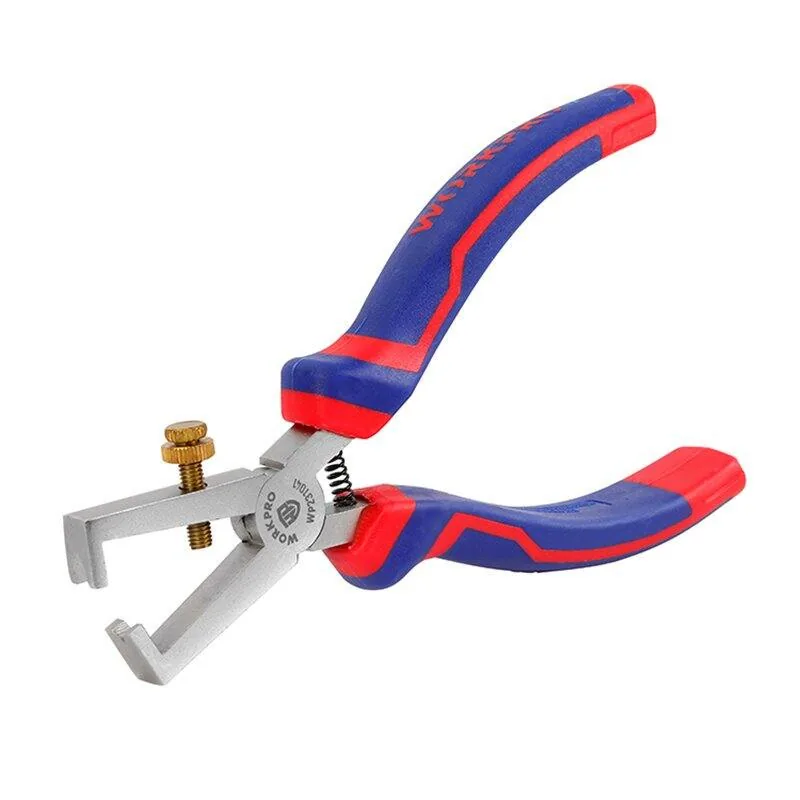
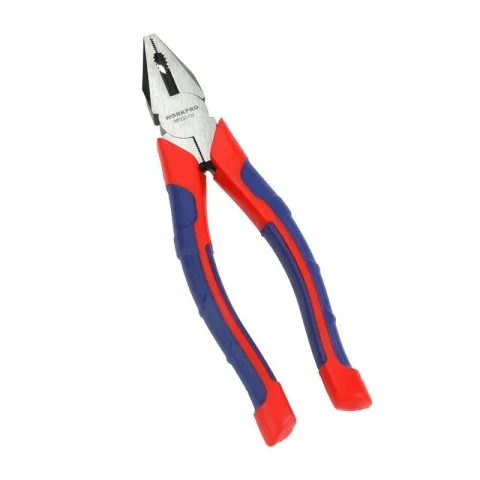
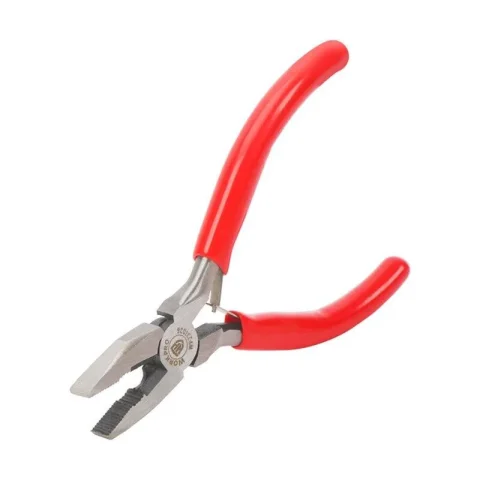
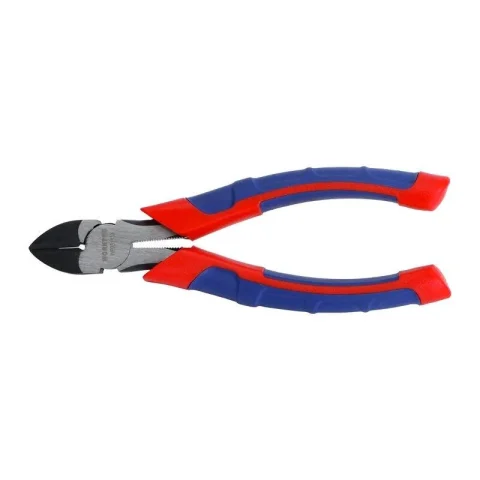
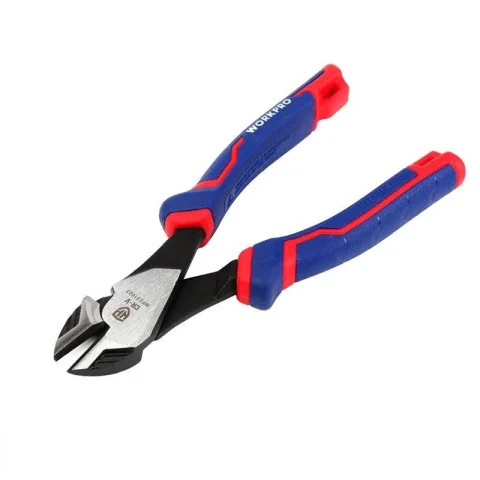
WORKPRO Pliers 6in – WP231041
$3.99
Field symptoms and where they come from
Symptoms first and teardown last is the sequence that keeps a pair of pliers out of the parts bin and its paperwork intact. A jaw that no longer meets along its full length has been used on hardened wire, and no amount of squeezing will close it again.
Diagnose from cheapest to dearest on a pair of pliers: a clean, a setting and a consumable before any teardown; most returned faults live in the first three checks. A dull pliers costs twice: once in rework and once in the operator’s patience.
The catalogue facts
Catalogue entry as listed: WORKPRO Pliers 6in (reference WP231041). Filed in the Hand Tools section of the book, this line, and carries a listed price of $3.99. The record logs a 6in size line. A model designation is absent from the record, and the text does not supply one.
Choosing between the alternatives
Comparing pliers options honestly starts with the jobs they will actually see this quarter, not with the ones they could theoretically do. The right pliers for a crew shows up in the work diary long before it shows up in a datasheet; read the diary first and shop second. Among the pliers choices open to a buyer, the differences that matter repeat daily, and the differences that impress appear once a year at best. The small pair for bench work and light wire, where a heavier tool would only be in the way.
Compare pliers candidates on the axes the job actually loads: reach, grip, edge life and the price of keeping them sharp. The crews with the quietest pliers fleet are usually the ones with the dullest checklists.
Stock and procurement notes
The buying rule for a pair of pliers that survives contact with sites: one in the work, one in the box, and the box labelled. Hang them by the handles rather than tossing them in a tray; jaws that knock against other tools lose their edge first.
Purchasing works best when the pliers, its consumables and its spares travel on the same order; three deliveries cost three waits, and one costs one. When the pliers and its record agree, audits stop being events and become signatures.
The misuses that shorten its life
Ask any repair bench what kills a pair of pliers and the answer is a short list, told with more amusement than sympathy. The obituary of a pair of pliers is usually written months before the funeral, in small abuses that nobody logged at the time. A pair of pliers rarely dies of old age on a well-run site; it dies of a habit that somebody thought was a shortcut. The complaint is usually a pivot that has stiffened, which is grit in the joint rather than a bent jaw. Looseness complaints about the pliers usually end at a worn joint and a missing fastener.
When repair stops making sense
Repair or replace is a weekly question for a pair of pliers, and it deserves arithmetic rather than sentiment. The joint and the cutting edges take the wear, and a drop of oil at the pivot keeps both serviceable for years.
Keep a borderline pliers alive on bench duty rather than on critical work; the second failure always arrives at the worst moment of the job. The best pliers policy is boring: inspect, record, rotate, replace on evidence.
What we claim and what we do not
Brand, reference, category and the price line for this pliers all come from the catalogue record; the craft notes are ordinary trade practice any operator can check. A labeled case keeps the pliers out of the lost tool drawer and off the reorder list.
Where the record for this pliers is silent, the text is silent too; written specification for the listing is available from the desk on request. The crews with the quietest pliers fleet are usually the ones with the dullest checklists.
| Model | WP231041 |
|---|---|
| Type | Pliers |
| Length | 6 in |
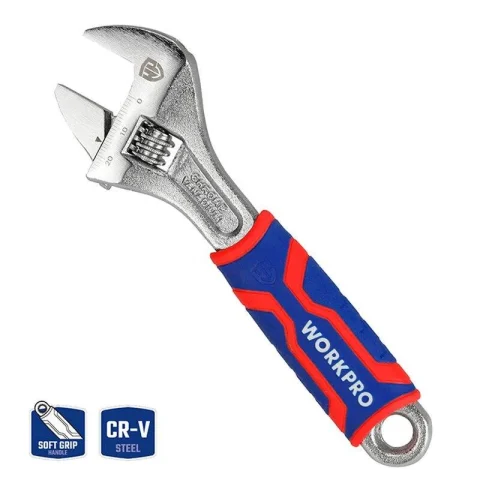
Reviews
There are no reviews yet.