
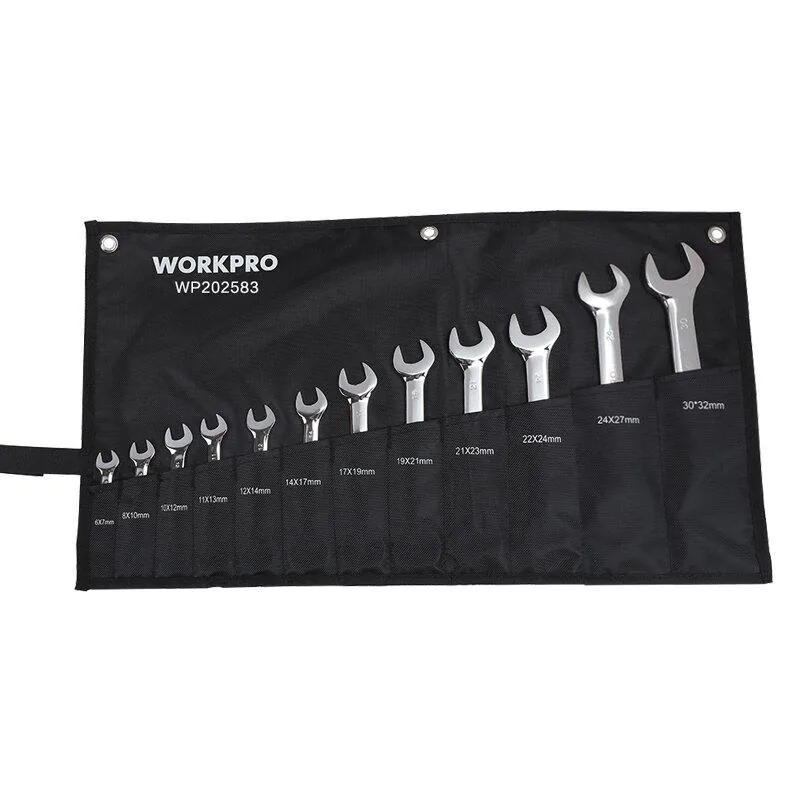
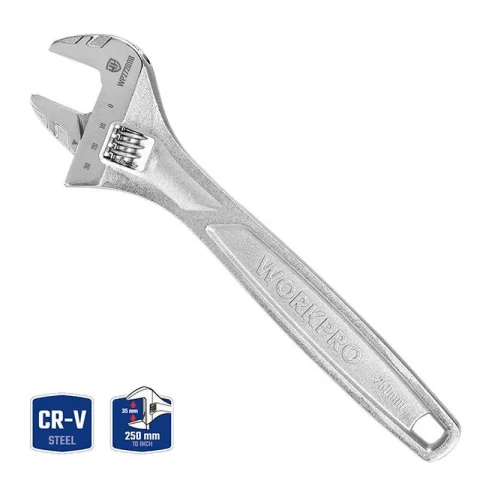
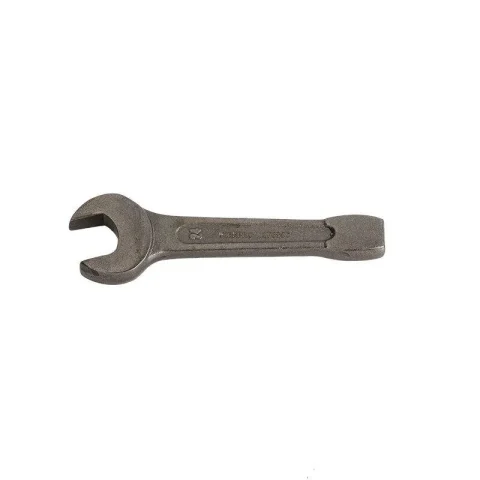
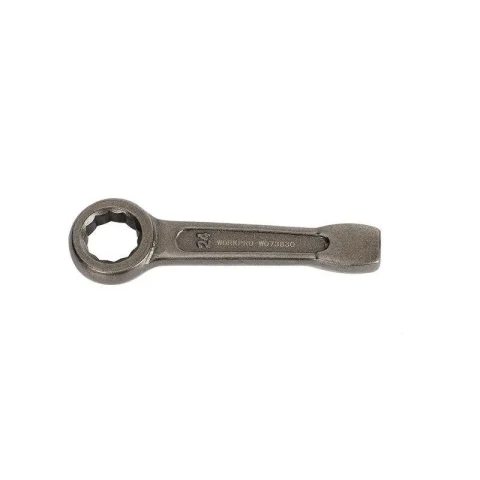
WORKPRO Wrench 12pcs
$23.99
Troubleshooting: first symptoms and likely causes
Troubleshooting a wrench begins with what changed, not with what broke; the last job tells you more than the manual does. A combination spanner that slips at the ring usually has debris in the broach, not worn steel.
Check the simple things in order on the wrench, power and dust and fasteners, and write down what was tried; a fault log turns guesswork into a service history. Half of wrench failures we see began as storage problems, not skill problems.
What the record actually says
Catalogue entry as listed: WORKPRO Wrench 12pcs (reference WP202583). Under the Wrenches heading is where the book keeps it. and attaches the listed price of $23.99 to the offer. The record logs a 12pcs size line. A model designation is absent from the entry, and nothing is made up here.
Choosing between the alternatives
Comparing wrench options honestly starts with the jobs they will actually see this quarter, not with the ones they could theoretically do.The right wrench for a crew shows up in the work diary long before it shows up in a datasheet; read the diary first and shop second.Among the wrench choices open to a buyer, the differences that matter repeat daily, and the differences that impress appear once a year at best. The longer run of the family, staged where the fittings come thick and the reach matters.
When two wrench options both serve, choose the one whose consumables and spares the store already carries; familiarity is a feature no datasheet lists. A quarterly deep clean of the wrench takes twenty minutes and prevents the annual crisis.
Procurement notes for the buyer
On stocking a wrench, the honest rule is small numbers of the right thing rather than shelves of hope. Brush the broaches out, wipe the whole set down, and it goes back in the roll clean.
A shelf policy that labels, dates and rotates wrench stock beats a larger budget; the cheapest tool is the one already on the shelf when the job calls. Track wrench runtime with the same seriousness as fuel, and the budget stops arguing.
Field failures we keep seeing
Failure reports for a wrench repeat themselves across sites with remarkable discipline. Returns usually report a chip at the open jaw, which is a dropped tool rather than a casting flaw. Cold storage shortens wrench battery life more than hard use ever does.
The fix-or-replace decision
Serviceability questions about a wrench end better when asked early, before the second failure books itself. Jaws dress back on the wheel when they chip lightly, and badly damaged pieces swap out singly.
Retire a wrench that fails in ways that endanger rather than inconvenience; a tool that fails safe can wait for parts, and one that fails loud cannot. The crews that log every wrench inspection spend noticeably less on replacements by year end.
How this page was written
The catalogue record supplies every factual claim on this wrench page, brand and reference and category alike; the rest is trade craft, clearly labelled as such.Two sources meet on this wrench page: the catalogue entry for the facts, and ordinary workshop practice for the advice; neither pretends to be the other.Nothing on this wrench page is invented; the factual half comes from the record, and the craft half is what any journeyman would tell you across the bench. The crews that log every wrench inspection spend noticeably less on replacements by year end.
This page claims no figure for the wrench that the record does not carry; specifications in writing are available from the desk. A quarterly deep clean of the wrench takes twenty minutes and prevents the annual crisis.
| Model | WP202583 |
|---|---|
| Type | Wrenches |
| Size | 12pcs |
Related products
Reviews
There are no reviews yet.