


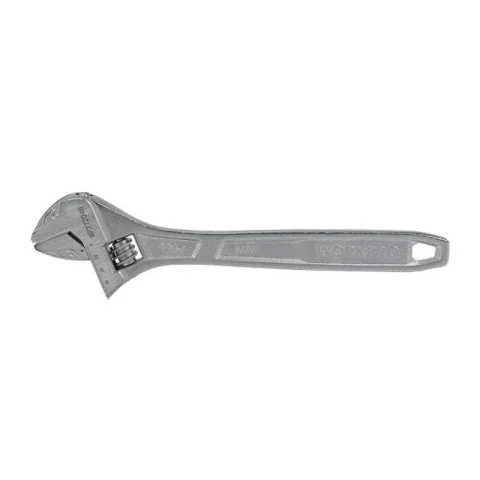
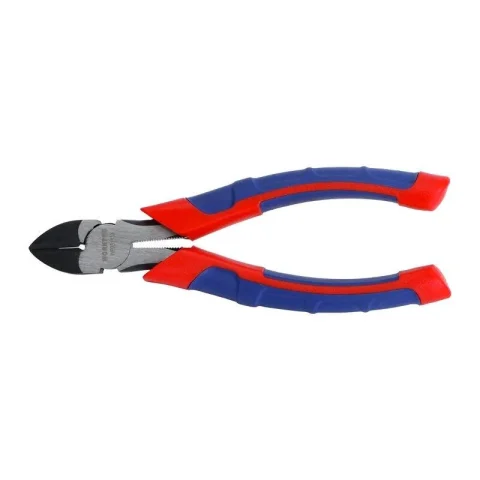
WORX WU270.1 Wrench
Price on request
Troubleshooting: first symptoms and likely causes
Most complaints about this class of wrench arrive as symptoms that point somewhere cheaper than a repair. A wrench that rounds nuts has met a fastener one class too large; check the fit before adding force to a worn jaw.
Half of site faults on a wrench are assembly and dirt; the other half are wear that announced itself early and was booked into a busy week instead. None of this is clever, and a wrench that is treated this way repays it in years, not weeks. The wrench keeps no score by itself, but the bench log keeps it for the crews that bother. Habits like these cost minutes and save mornings, which is the best exchange rate a wrench will ever offer.
What the record actually says
Catalogue entry as listed: WORX WU270.1 Wrench (reference A0010315). The listing files under Hand Tools, and pricing that is quoted per order on request. No size line appears in the record, so the text invents none.
How it compares for the work
Against the alternatives in its class, the wrench turns the buying choice on the work profile rather than on the label on the handle. The compact pattern suits engine bays and panel work where long handles cannot swing; keep a long pattern for seized work.
When two wrench options both serve, choose the one whose consumables and spares the store already carries; familiarity is a feature no datasheet lists. The habit costs nothing to keep and costs less than a single wrench failure to learn on any site.
Stock and procurement notes
The buying rule for a wrench that survives contact with sites: one in the work, one in the box, and the box labelled. Mark each wrench with its own number; shared wrenches return anonymous and the count goes with them.
Purchasing works best when the wrench, its consumables and its spares travel on the same order; three deliveries cost three waits, and one costs one. Keep the wrench routine boring and the tool stays boring too, which is the whole ambition here.
How tools of this class usually die
Every trade has its list of self-inflicted failures, and the wrench list is short and predictable. Cheater pipes twist the head beyond its design; the overload fails later at the worst moment of the job. None of this is clever, and a wrench that is treated this way repays it in years, not weeks. The wrench keeps no score by itself, but the bench log keeps it for the crews that bother. Habits like these cost minutes and save mornings, which is the best exchange rate a wrench will ever offer.
When repair stops making sense
The fix-or-retire call on a wrench is easier when the failure mode, not the mood, makes the decision. A smooth ratchet with no click has lost its spring; the repair is small and the fastener it slips on may not be.
The wrench decision arithmetic is honest and dull: parts, hours and the risk of a second failure, weighed against the replacement price and the wait. Boring is the standard for a wrench on this bench; drama always arrives later as an invoice.
Our description policy
Brand, reference, category and the price line for this wrench all come from the catalogue record; the craft notes are ordinary trade practice any operator can check. A shelf note and a minute of attention to the wrench now are worth more than a purchase order later.
This page claims no figure for the wrench that the record does not carry; specifications in writing are available from the desk. The habit costs nothing to keep and costs less than a single wrench failure to learn on any site.
| Model | WU270.1 |
|---|---|
| Type | Wrenches |
Reviews
There are no reviews yet.