
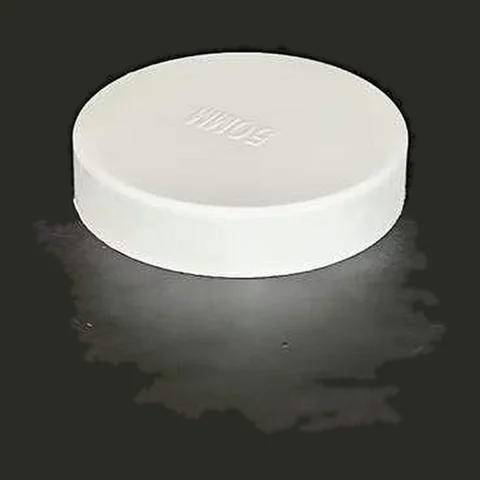
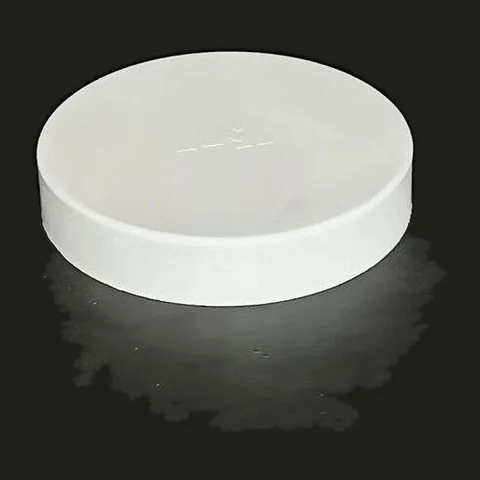
YUEMA 735-3966 Padlock
Price on request
Overview
There is a category of padlock failure that has nothing to do with the lock: it is fitted where a padlock should not be used at all. Fire exits, plant guarding interlocks, electrical isolation points and anything that has to open in an emergency all have hardware designed for that purpose, and a padlock bolted in their place turns a safety device into a trap. Knowing where a general-purpose lock belongs is part of specifying it.
Catalogue entry as listed: YUEMA 735-3966 Padlock (reference 735-3966). Body and shackle figures are not carried in the buying record, so they sit with the confirmation items at the end rather than being quoted here.
Materials and construction
A general-purpose lock is built to resist weather and casual attack, not to be opened quickly under stress. Its shackle is a hardened bar, its body is sealed, and its cylinder is designed so that a key can only go in one way. Those are the right properties for a gate and the wrong properties for a device that must release without a key.
Within the family, the differences that matter for a long service life are the plating thickness at the shackle ends, the presence of a shutter over the keyway, and whether the body has a drain path. A lock that holds water at the bottom of the body will eventually seize regardless of how well the cylinder is made.
How to select the right size and variant
Sort the openings into three groups before buying. The first is security openings, where a hardened lock on a sound hasp is appropriate. The second is access control, where the question is who holds the key and whether the same key opens a group. The third is safety-critical openings, where no padlock belongs at all and the answer is a purpose-made device with an internal release.
For the first two groups, size on the hasp and on the exposure. A lock that hangs where a vehicle can trap it needs a short shackle; a lock on a chain needs a longer one. Then decide the quantity of spares: padlocks are lost, keys are lost, and a site that holds no spares substitutes a different lock and breaks its own keying system within a month.
Typical applications
Tool stores and site cabins. Vehicle boxes and trailer doors. Compound gates and equipment yards. Meter and service cabinets. Container doors at ports and depots, where locks are cut off routinely and replaced without record.
Standards and acceptance checks
Check the delivery against the fittings, not against the catalogue. Try each lock on a sample hasp of the type it will close, and confirm the shackle passes without forcing and that the body does not foul the door when closed. Check the key operates with a gloved hand, since most site use happens in gloves and a small key head is unusable in the cold.
Then set a condemnation rule. A lock should be withdrawn when the shackle shows a notch from an attempted cut, when the key needs lifting to turn, or when the plating has broken at a shackle end. These three signs are cheap to see at a monthly inspection and they prevent the failure that happens at the worst moment. Where a lock has been cut off, its replacement should be recorded, because an unrecorded replacement is how a keyed system drifts out of control.
Packing, quantity and shipping
Locks ship carded or in bulk inner boxes. Bulk quantities are usually shipped without cards, which means no key number tag, so specify a tag if the buyer needs to keep a record of which key belongs to which lock. Mixed orders should be separated by group in the carton rather than tipped together, since sorting identical-looking locks on site is slow and error-prone.
What to confirm before ordering
Confirm the body size and material, the shackle diameter, height and material, and whether the shackle is hardened. Confirm the keying arrangement and how keys are tagged. Confirm the plating and the drain arrangement, the quantity of spares, the packaging form, and whether the buyer needs a written record of key numbers against locations.
| Model | 735-3966 |
|---|---|
| Type | Padlocks |
Reviews
There are no reviews yet.