
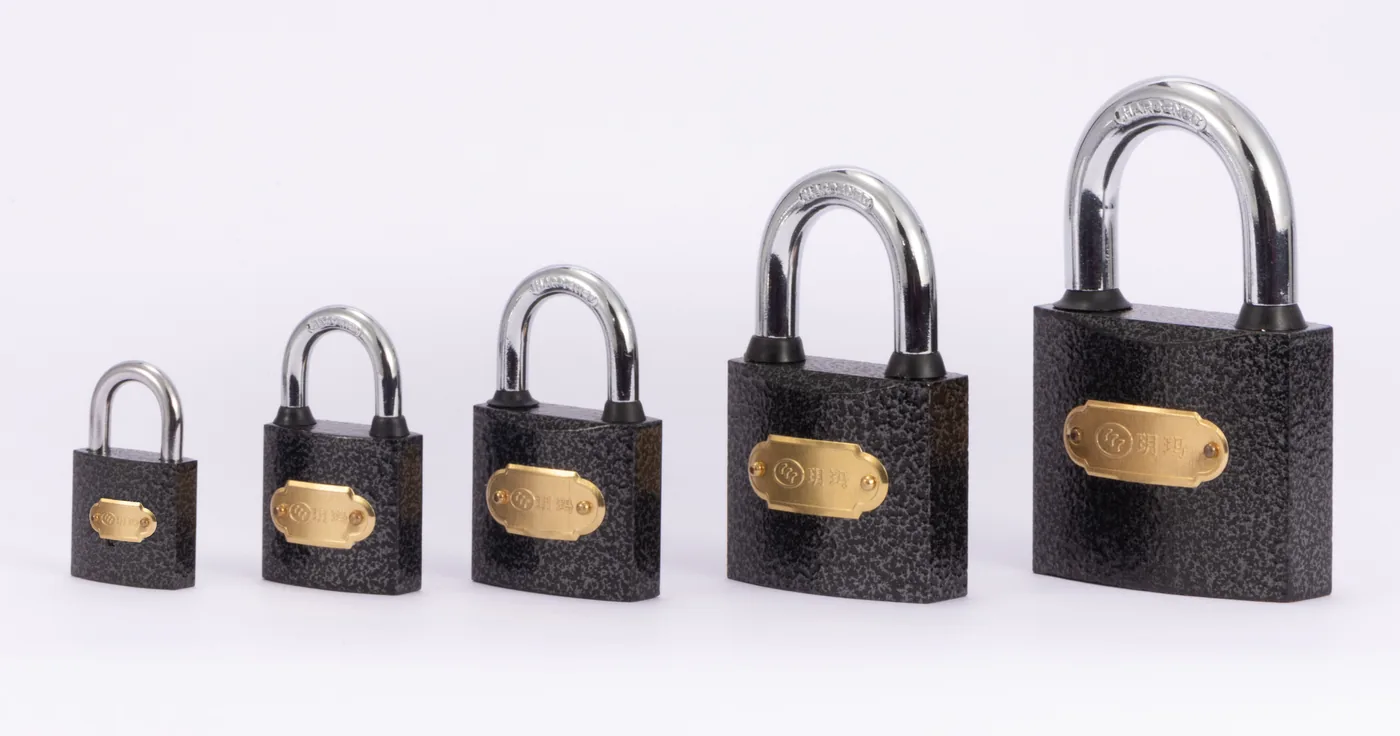

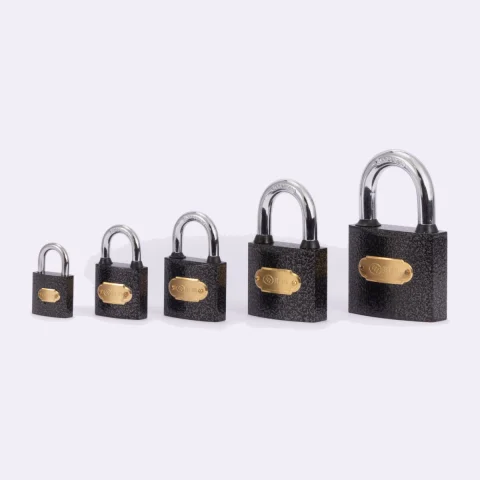
YUEMA SG-50 Padlock
$1.99
When it misbehaves: symptoms and causes
Symptoms first and teardown last is the sequence that keeps a padlock out of the parts bin and its paperwork intact. A lock that turns hard wants a dry graphite puff rather than oil; wet lubricants hold grit and stiffen by winter.
Check the simple things in order on the padlock: grip, edge, joint and fastener, and write down what was tried; a fault log turns guesswork into a service history. None of this is clever, and a padlock that is treated this way repays it in years, not weeks. The padlock keeps no score by itself, but the bench log keeps it for the crews that bother. Habits like these cost minutes and save mornings, which is the best exchange rate a padlock will ever offer.
The catalogue facts
Catalogue entry as listed: YUEMA SG-50 Padlock (reference A0240006). The listing files under Hardware Locks & Fittings, and carries a listed price of $1.99. No size line appears in the record, so the text invents none.
Choosing between the alternatives
Selection questions about a padlock answer best with the day’s real work on the table, not with catalogue superlatives. For sheds, lockers and gate rounds it covers the everyday duty; exposed marine settings want the stainless class.
A sensible padlock comparison weighs the tool against the diary rather than the brochure; the best spec on paper loses to the right size on the belt. The habit costs nothing to keep and costs less than a single padlock failure to learn on any site.
Stock and procurement notes
Procurement planning for a padlock starts from the failures: stock the parts that stop jobs, not the parts that decorate shelves. Keep keyed-alike sets on one hook with the count written; locks without their keys become challenges.
Purchasing works best when the padlock, its consumables and its spares travel on the same order; three deliveries cost three waits, and one costs one. Keep the padlock routine boring and the tool stays boring too, which is the whole ambition here.
Field failures we keep seeing
The ways a padlock usually dies are few, well known and mostly preventable. Forcing a frozen lock with a lever bends the shackle and opens nothing; warm the cylinder and try again. None of this is clever, and a padlock that is treated this way repays it in years, not weeks. The padlock keeps no score by itself, but the bench log keeps it for the crews that bother. Habits like these cost minutes and save mornings, which is the best exchange rate a padlock will ever offer.
Repair, replace or retire
The fix-or-retire call on a padlock is easier when the failure mode, not the mood, makes the decision. There is no honest repair inside a lock; replace at the first stiffness that survives cleaning and log the location.
Keep a borderline padlock alive on bench duty rather than on critical work; the second failure always arrives at the worst moment of the job. Boring is the standard for a padlock on this bench; drama always arrives later as an invoice.
How this page was written
Brand, reference, category and the price line for this padlock all come from the catalogue record; the craft notes are ordinary trade practice any operator can check. A shelf note and a minute of attention to the padlock now are worth more than a purchase order later.
Anything the record does not state about this padlock, the page does not invent; a written specification can be requested from the desk. The habit costs nothing to keep and costs less than a single padlock failure to learn on any site.
| Model | SG-50 |
|---|---|
| Type | Padlocks |
Related products
Reviews
There are no reviews yet.