
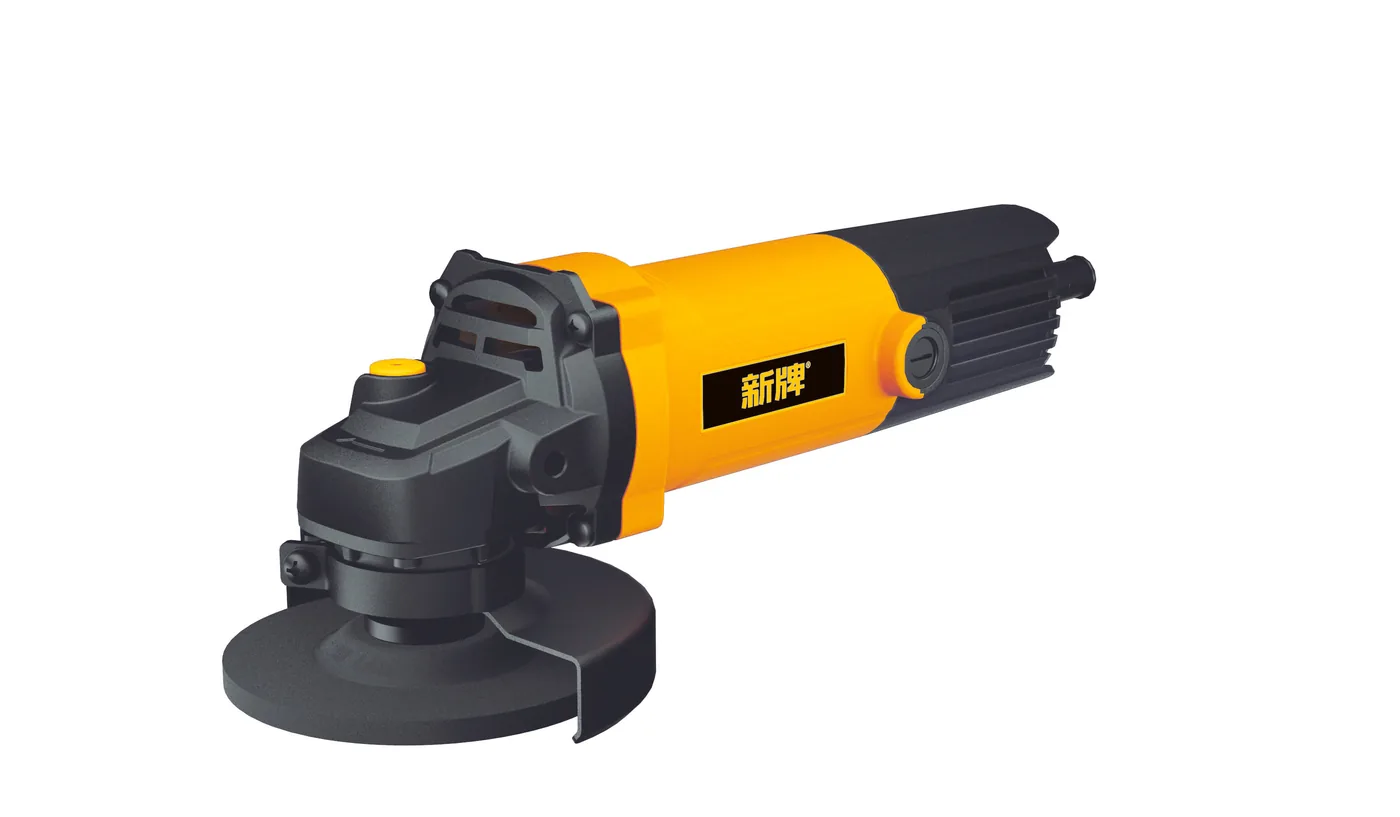

CINPO 1077 Angle Grinder
$13.99
What an entry-price grinder really costs
An inexpensive grinder of the model 1077 class is a legitimate purchase, provided the buyer understands what has been traded away. The trade is usually in the bearing quality, the switch feel, the balance of the body and the accessories in the box, not in whether it can cut. It will cut.
The honest calculation includes the accessories. A body sold without a handle, guard spanner or case needs those items bought separately, and the total often lands close to a mid-range tool that includes them. Compare totals rather than headline prices, and compare what is in the box.
Where cheap tools fail first
Inexpensive grinders usually fail at the switch, the cable entry or the bearings, in that order. The switch wears because it is a mechanical part with a limited life; the cable entry fails because the strain relief is the cheapest moulding in the tool; the bearings fail because they are the smallest that will do the job.
Knowing the order tells you what to protect. Do not carry the tool by its lead. Do not switch it on and off repeatedly in quick succession. Do not run it hot for long periods. Those three habits extend the life of a cheap tool further than any maintenance schedule.
Duty cycle, and the honesty of the rating
A cheap grinder is rated for intermittent use, and intermittent means the tool is expected to rest. Continuous work overheats the winding, and the winding is the part that cannot be replaced economically. If the housing is uncomfortable to hold, the tool is being asked to do more than it was built for.
This is not a reason to avoid the class; it is a reason to plan the work in passes. Two minutes of cutting followed by a minute of rest will finish the job and keep the tool alive, whereas ten minutes of continuous pressure ends with a burnt-out motor and a wasted purchase.
The disc budget nobody plans
Over a year, discs usually cost more than the grinder. That makes disc quality the more important decision, and it makes cheap discs a false economy: they wear faster, cut slower and load more easily, so the operator pushes harder and heats the tool.
Buy discs by type rather than by price alone, keep them dry and flat, and discard any that have been dropped on a corner. A cracked disc is not repairable and a stored disc that has absorbed moisture can fail on first use.
Safety equipment is not optional at this price
The tool’s price has no bearing on the speed of the wheel or the damage it can do. Eye protection that seals, hearing protection worn properly, and a face shield for overhead work are the minimum. The grinder is the cheapest part of the safety budget and the most likely to hurt you.
Add a fire extinguisher within reach and clear the bench of combustibles before starting. Sparks from a cheap tool are identical to sparks from an expensive one, and the fire does not check the receipt.
Modifications that void the tool and the warranty
Removing the guard, fitting a larger disc than the tool is designed for, or locking the switch on are the three modifications that cause the majority of serious grinder injuries. Each of them defeats a specific protection, and each is common in workshops where the tool is treated as a consumable.
When to buy cheap and when not to
Buy cheap for occasional work where the tool will spend most of its life in a cupboard, and where the jobs are short. Buy mid-range when the tool will be used weekly, because the switch and bearings will repay the difference within a year.
| Model | 1077 |
|---|---|
| Type | Angle Grinders |
Related products
Reviews
There are no reviews yet.