
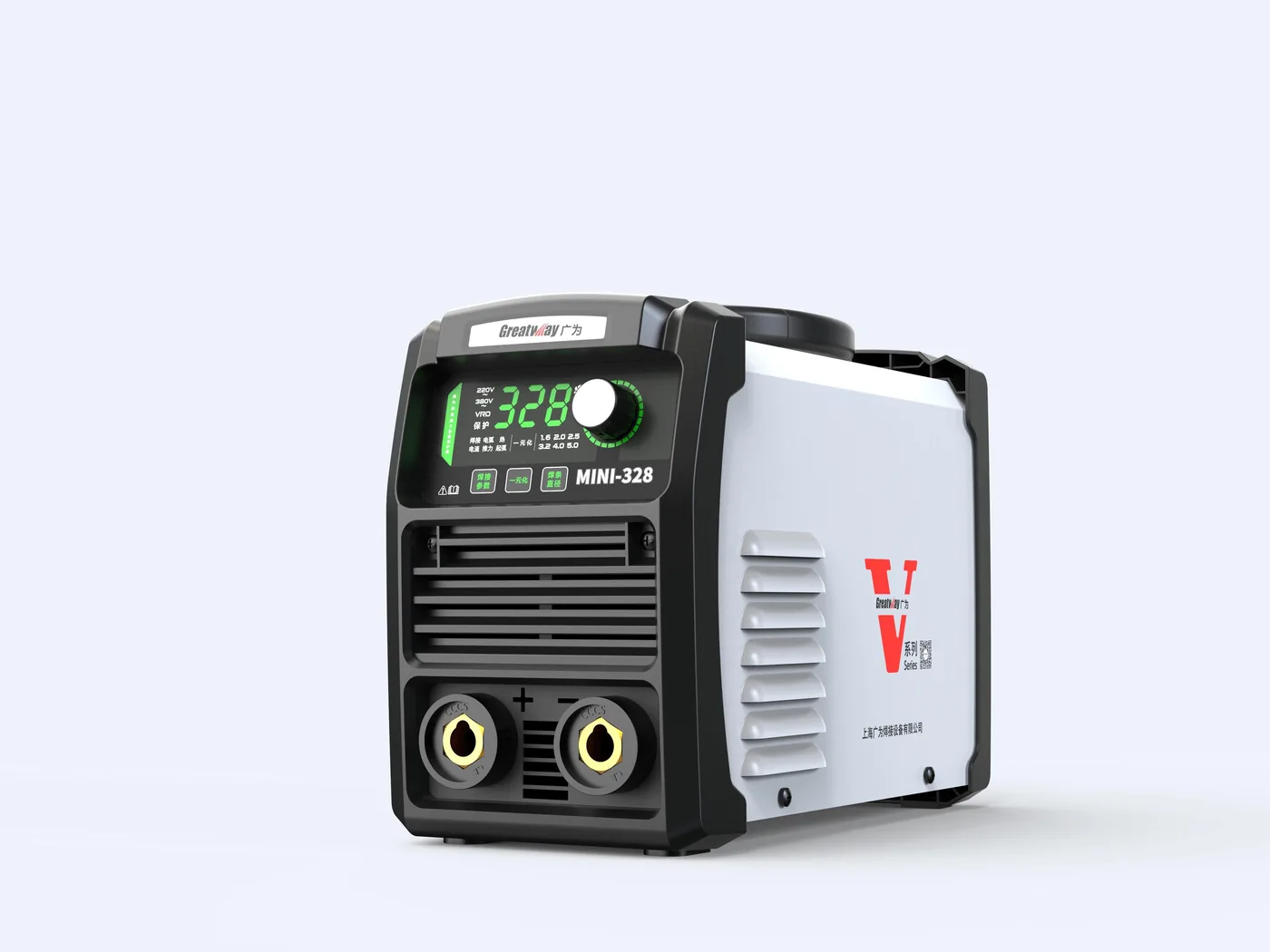
GUANGWEI MINI-328 Stick Welder
$74.99
Overview
Stick welding is the only common arc process where the filler metal arrives coated in a chemical recipe chosen by somebody else. That coating decides the arc characteristic, the penetration, the position the rod can be used in, and how the weld behaves when it cools. Choosing the machine is straightforward; choosing the electrode, and keeping it dry, is where most of the weld quality is won or lost.
Catalogue entry as listed: GUANGWEI MINI-328 Stick Welder (reference MINI-328). Output range and duty cycle are not recorded on the file, so they are confirmation items, and the paragraphs below deal with the process rather than with figures.
Materials and construction
An electrode is a core wire with a concentric coating applied by extrusion and then baked. The coating contains cellulose, rutile, limestone, fluorspar or iron powder in proportions that define the family. A cellulosic rod burns with a fierce gas shield and gives deep penetration, which is why it is used for pipeline root passes; a rutile rod is easier to strike and smoother to run, which is why it dominates general work; a basic rod gives the toughest deposit but demands dry storage and a short arc.
Because the coating is hygroscopic, storage is a material property rather than a housekeeping matter. A damp basic rod produces porosity and hydrogen cracking that no amount of operator skill can undo. Ovens, sealed containers and desiccant are part of the process, not accessories to it.
How to select the right size and variant
Start from the thickest section and the position. Vertical and overhead work needs a rod that freezes quickly, while flat work on thick plate can take a rod that deposits fast. Then match the current: each rod diameter has a working band, and running below it gives a stubbing arc with poor fusion, while running above it overheats the coating and produces spatter and undercut.
Polarity matters more than buyers expect. Some electrodes are designed for one polarity and will run badly on the other, so the machine has to offer the connection the rod needs, either at the terminals or through a polarity change. A buyer who intends to weld both steel and stainless should confirm that the machine can be set for the polarities those electrodes require.
Typical applications
Structural steel and general fabrication where the joint is thick and the work is outdoors. Repair work on farm and plant equipment, where the base metal is unknown and a forgiving rutile rod is the practical choice. Pipe and tank work where a cellulosic root is specified. Maintenance welding in wet or windy conditions where a gas-shielded process would lose its shield.
Standards and acceptance checks
Check the arc before judging the weld. Strike on scrap at the low end of a rod’s band and confirm the arc starts without sticking, then run a bead and look at the slag: slag that lifts cleanly at the edges suggests the current is about right, while slag that fuses to the toe suggests too much heat. Break a test bead and look at the fusion line, which is the property a visual inspection cannot show.
Electrode condition is the other check. A rod that has absorbed moisture will crackle and spatter, and its coating may flake at the tip. Any rod that has been left open in a damp workshop should be dried or discarded rather than used on a structural joint. The process hazards are arc radiation, fume and electric shock: a shield of the correct shade, extraction in confined spaces, and an isolated supply before changing electrodes.
Packing, quantity and shipping
Machines normally ship with a holder, an earth clamp and cable, a chipping hammer and a brush. Electrodes are bought separately and should travel in sealed packs with the batch and the storage class printed on the box, since a buyer cannot test moisture content in a receiving bay. Confirm the cable lengths actually supplied, because export cartons often carry shorter leads than the catalogue states.
What to confirm before ordering
Confirm the supply voltage and phase, the output range, and the electrode diameters the machine will run at each current setting. Confirm the polarity options, the cable length and cross-section, and whether the holder and clamp are included. Confirm the recommended electrode families, the cooling arrangement, the manual language, and the carton marking.
| Model | MINI-328 |
|---|---|
| Type | Stick Welders |
Related products
Reviews
There are no reviews yet.