
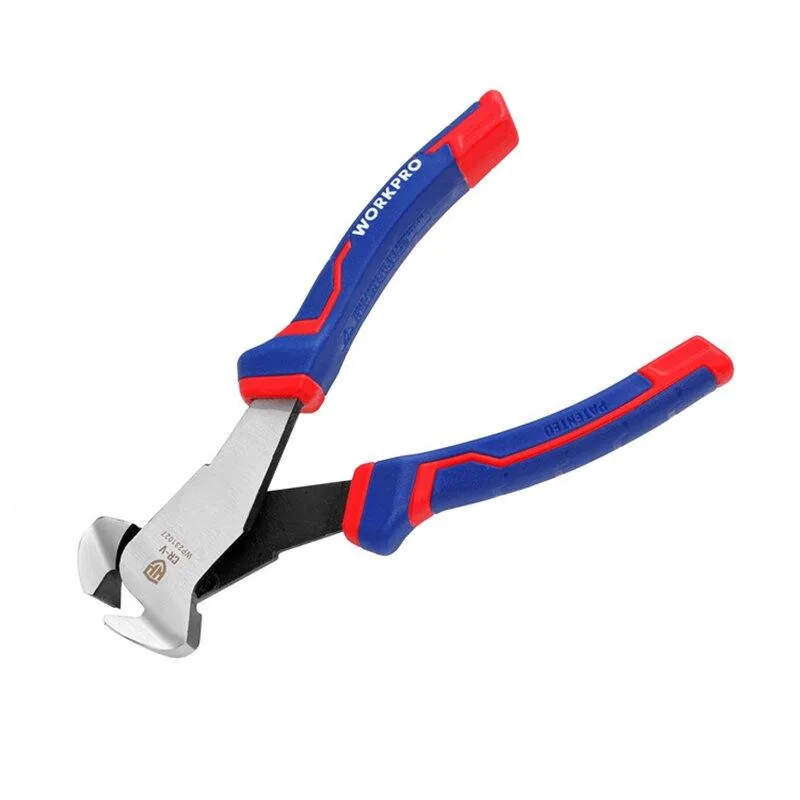
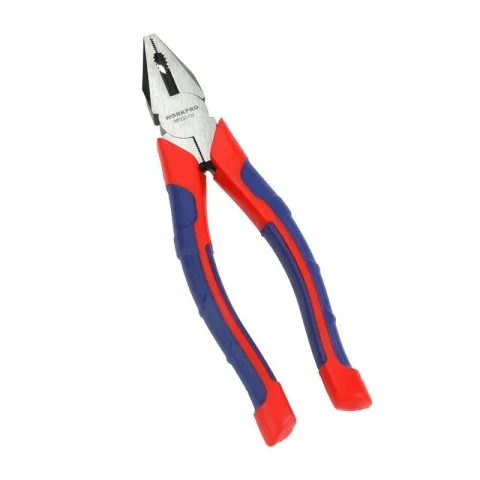
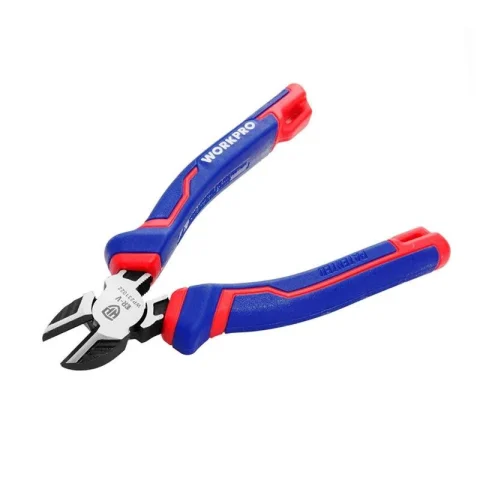
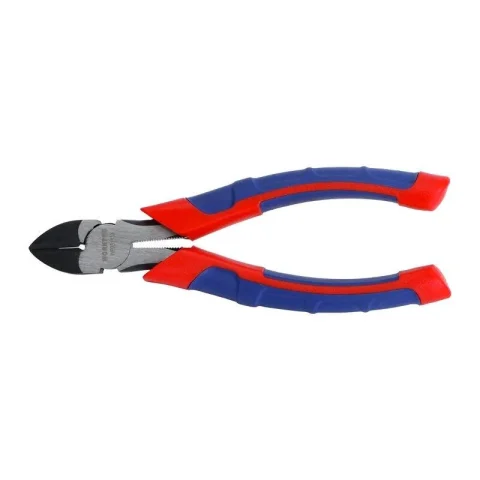
WORKPRO Pliers 7in – WP231027
$6.99
Troubleshooting: first symptoms and likely causes
Most complaints about this class of pliers arrive as symptoms that point somewhere cheaper than a repair. A jaw that meets only at the heel means the arms have spread, so the joint needs attention before the teeth are blamed.
Half of site faults on a pair of pliers are assembly and dirt; the other half are wear that announced itself early and was booked into a busy week instead. Treat the pliers as a consumable with a schedule, and it stops being a surprise line item.
The catalogue facts
Catalogue entry as listed: WORKPRO Pliers 7in (reference WP231027). Under the Hand Tools heading this entry sits, and attaches the listed price of $6.99 to the offer. The record logs a 7in size line. Nothing in the entry states a model designation, and none is asserted here.
How it compares for the work
Against the alternatives in its class, the pliers turns the buying choice on the work profile rather than on the label on the handle. Chosen where the work is repetitive and light, and where a heavier pair would tire the hand by the afternoon.
Put two pliers candidates side by side and ask what each costs on its worst day, not its best; the worst day is the one that decides the purchase. Judge pliers options by their second year, when consumables, spares and operator habits have all priced themselves in; year one lies to everyone. A pair of pliers comparison that ignores the store room is incomplete; the option the store can actually support is the option that keeps working in March. A labeled case keeps the pliers out of the lost tool drawer and off the reorder list.
Procurement notes for the buyer
Stocking a pair of pliers well means admitting what fails often, and stocking a pair of pliers badly means guessing; the failure log settles which one happened. A pair of pliers on the shelf is a decision made calmly; a pair of pliers ordered in a hurry is the same decision with a surcharge attached. The pliers shelf policy that works is written down, dated and boring; heroics belong on the job, not in the store room. Oil the joint sparingly and wipe the excess, because too much oil collects the grit that wears a joint out.
A shelf policy that labels, dates and rotates pliers stock beats a larger budget; the cheapest tool is the one already on the shelf when the job calls. A clear bin for pliers awaiting inspection keeps doubtful tools off the workbench.
How tools of this class usually die
Failure reports for a pair of pliers repeat themselves across sites with remarkable discipline. The recurring complaint is a cutting edge used on hardened wire that will no longer shear. A clean storage peg for the pliers does more for its lifespan than any careful operator.
The fix-or-replace decision
Serviceability questions about a pair of pliers end better when asked early, before the second failure books itself. Grip, rivet and cutting edge are the usual order, and the tool is built to be kept rather than replaced.
The pliers decision arithmetic is honest and dull: parts, hours and the risk of a second failure, weighed against the replacement price and the wait. A pair of pliers dropped from height deserves an inspection even when it looks fine.
What we claim and what we do not
The facts here are the catalogue facts for one pliers; the advice is ordinary craft of the trade, written so new hands stop learning it from broken parts. The habit of testing a pair of pliers before it leaves the store room travels well between crews.
Silence in the record means silence on the page; for a written specification of this pliers, ask the desk and it will be sent over. This pliers page stretches nothing and fills nothing; what the record does not carry, the desk will provide in writing when asked. Every gap in the pliers record stays a gap here; the desk holds the written specification and sends it to anyone who asks for it. A labeled case keeps the pliers out of the lost tool drawer and off the reorder list.
| Model | WP231027 |
|---|---|
| Type | Pliers |
| Length | 7 in |
Related products
Reviews
There are no reviews yet.